
Understanding Wine Ratings
4 min read · Updated

The 100-point scale was popularized by Robert Parker in the 1980s and is now used by Wine Spectator, Wine Enthusiast, James Suckling, Decanter and most American publications. In practice it is a 50-point scale: almost nothing scores below 80, and the interesting range runs from 85 to 100.
Reading the numbers
85–89 means a good, sound, typical wine. 90–94 is outstanding — the line most shoppers use as a filter. 95 and above is reserved for the exceptional. A score rewards quality within a style: a 91-point Moscato is an excellent Moscato, not a substitute for a 91-point Cabernet.
Vintage matters. A critic reviews one vintage of one wine; the next year's bottling may be better or worse. That is why our product pages record the exact vintage the critic tasted next to the vintage we sell, and say so when they differ.
How to use them
Treat a score as a trained taster's confirmation that a wine is well made, then use the taste profile and pairing notes to decide whether it is the style you want. Scores are most useful at modest prices, where a 90 under $20 separates the well-made bottles from the merely competent ones.
90+ point wines in stock now
See all →Live inventory — prices and stock are current.
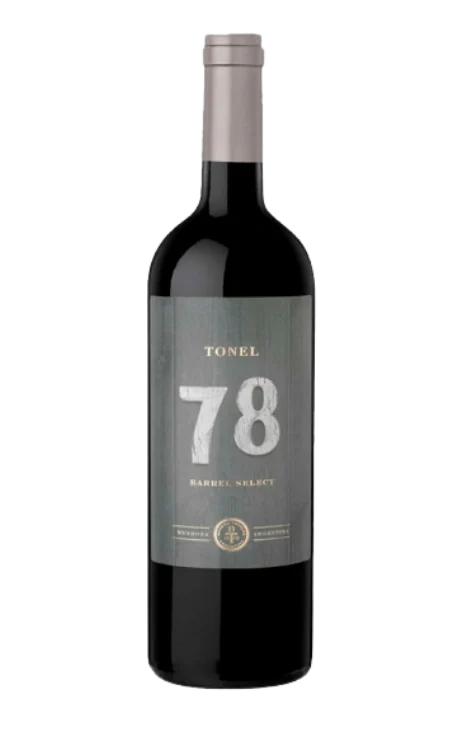
Bodega Los Toneles Tonel 78 Malbec Bonarda
Malbec-Bonarda red blend · Mendoza
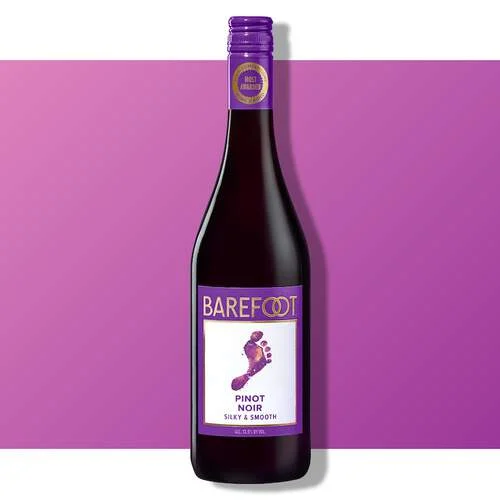
Barefoot Pinot Noir
Pinot Noir · California
CK Mondavi & Family Pinot Grigio
Pinot Grigio · California
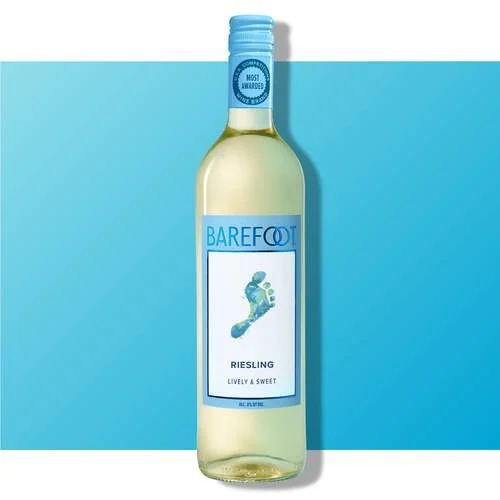
Barefoot Cellars Riesling
Riesling · California


