
Old World vs. New World Wine
4 min read · Updated

'Old World' means the traditional European wine countries — France, Italy, Spain, Germany, Portugal. 'New World' means everywhere wine spread to later: the United States, Australia, New Zealand, South America, South Africa. The split is more than geography; it describes two approaches to making and labeling wine.
On the label
Old World wines are named for places: Chianti, Rioja, Sancerre, Bordeaux. You are expected to know that Chianti is Sangiovese and Sancerre is Sauvignon Blanc. New World wines are named for grapes — Cabernet Sauvignon, Chardonnay — with the place as a secondary line. Neither is better; the New World habit is simply easier for a beginner.
In the glass
Cooler European climates and a tradition of restraint give Old World wines higher acidity, more earthy and mineral notes, lower alcohol and less obvious oak; they are built for the table. New World wines from sunnier places are riper, fruitier, fuller and more immediately generous, and they are easier to enjoy without food. The same grape — Pinot Noir from Burgundy against Pinot Noir from California — shows the contrast most clearly.
On the price tag
Both worlds have bargains. In Europe they hide behind regional names — Côtes du Rhône, Rioja Crianza, Montepulciano d'Abruzzo. In the New World they come from large, consistent producers and from up-and-coming regions like Washington State and Chile.
Old World bottles in stock now
See all →Live inventory — prices and stock are current.
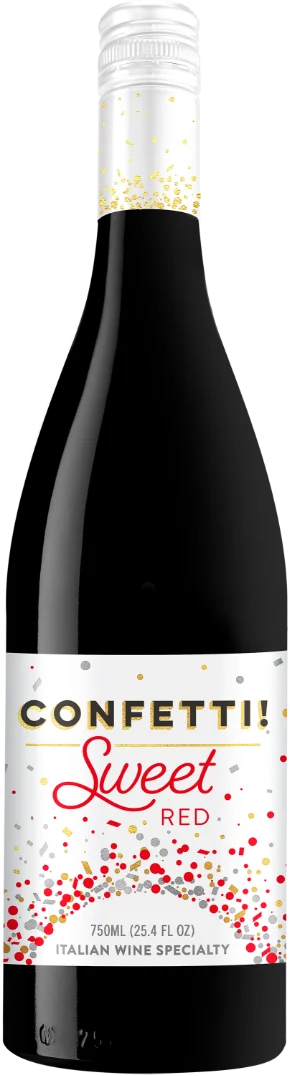
Confetti! Sweet Red
Sweet red blend · Trentino
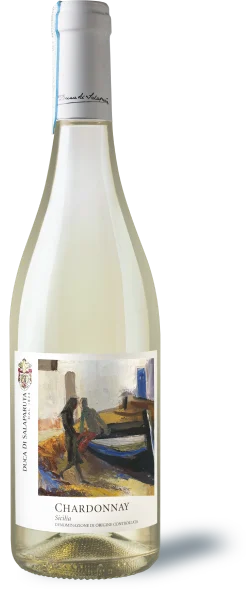
Duca di Salaparuta Star Chardonnay
Insolia/Chardonnay white blend · Sicily
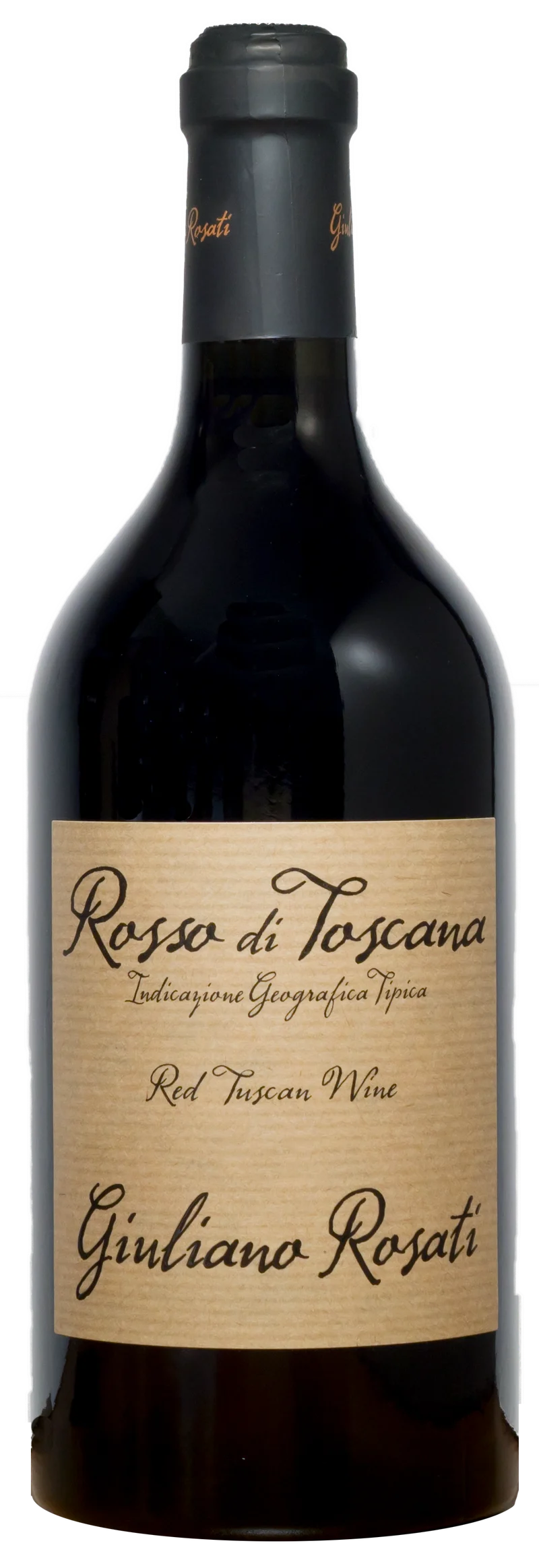
Giuliano Rosati Giuliana Rosati Rosso Sangiovese/Merlot blend
Sangiovese/Merlot blend · Tuscany

Sweet Bitch Mango Moscato
Moscato · Italy


