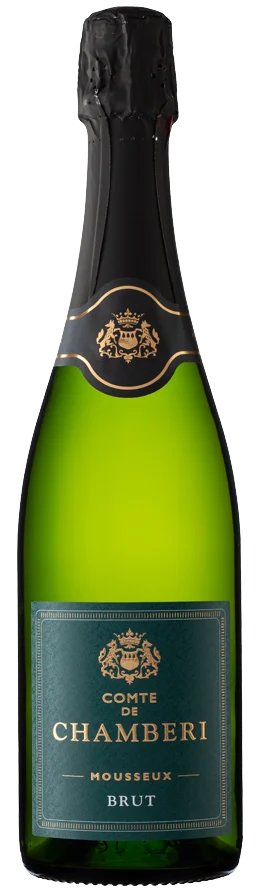
Comte de Chamberi Brut
Castilla-La Mancha
$3.99$5.99

Bubbles for every budget, from everyday Prosecco to Champagne. Each bottle tells you its sweetness level and style so you can match it to the occasion.
93 wines in stock · $3.99 – $416.99
Castilla-La Mancha
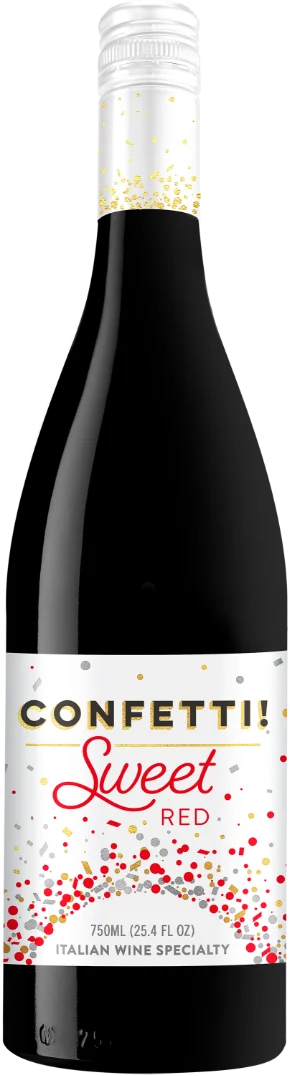
Sweet red blend · Trentino
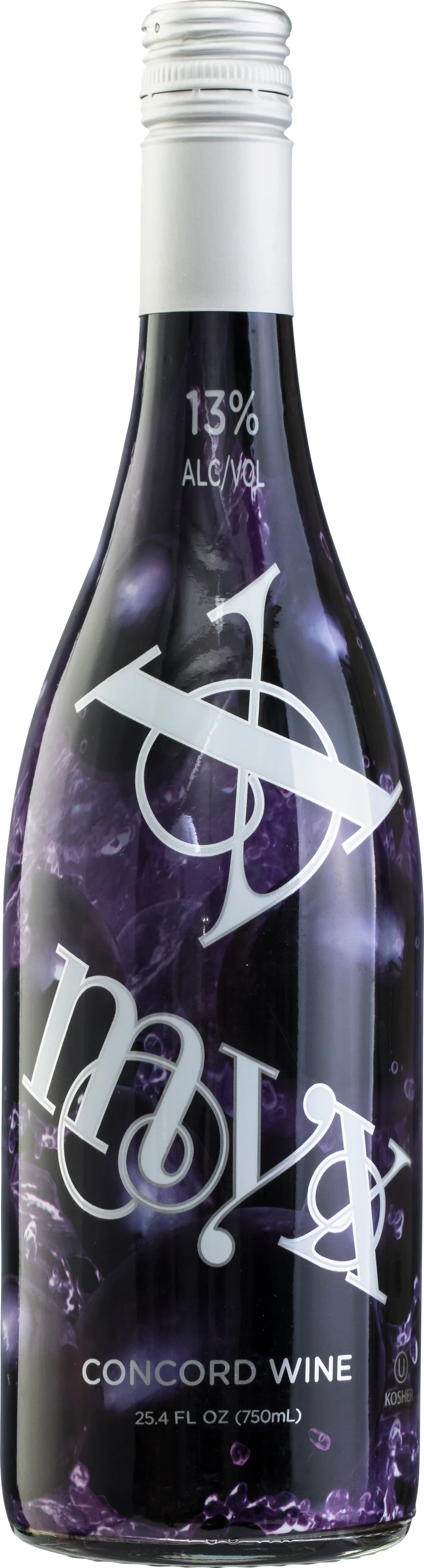
Concord · United States
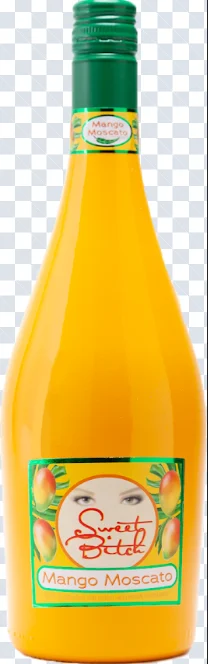
Moscato · Italy
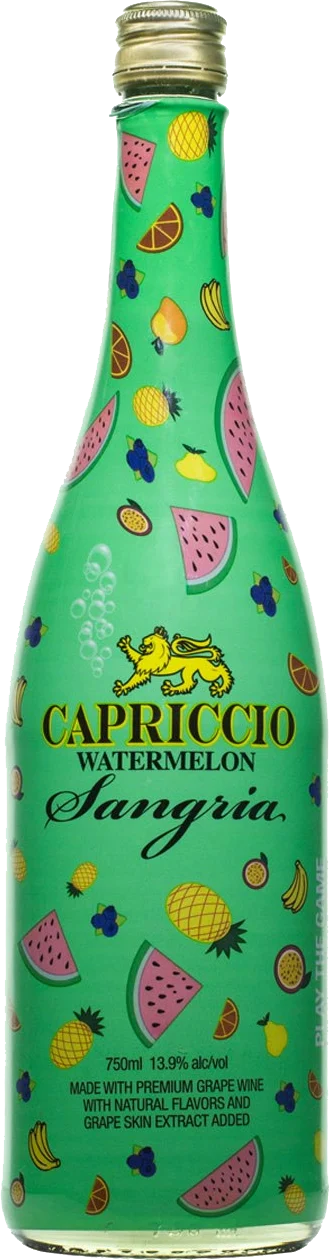
Watermelon sangria / flavored grape wine · Florida
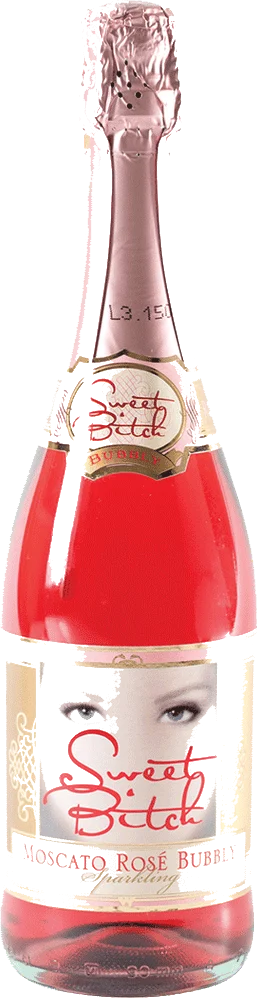
Moscato Rose · Piedmont
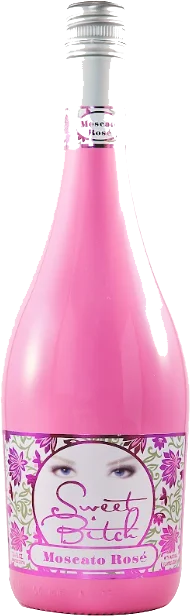
Moscato Rose wine specialty · Italy
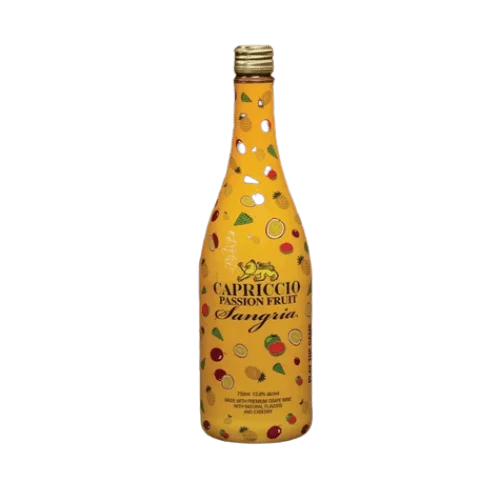
Sangria · Florida
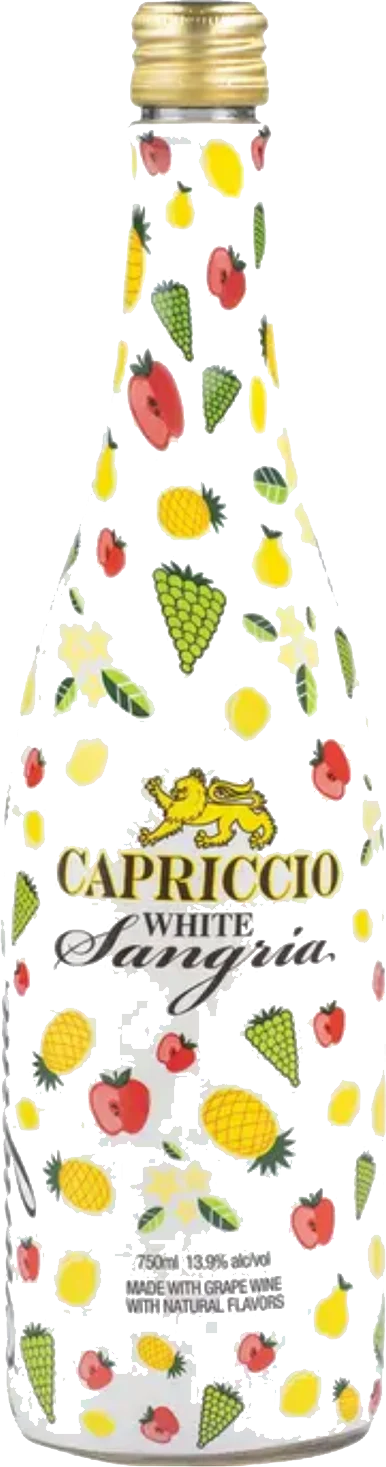
White wine-based sangria · Florida
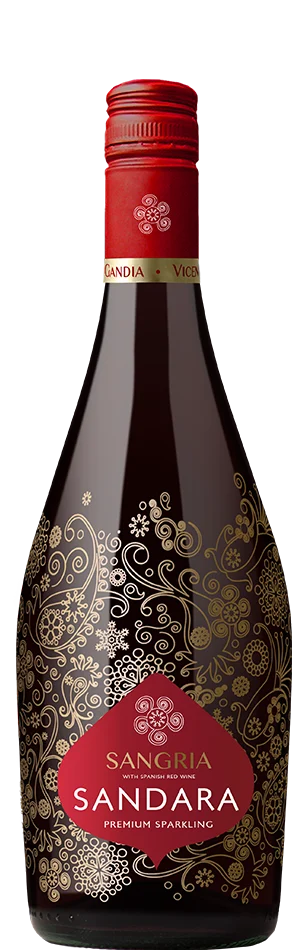
Sangria · Spain
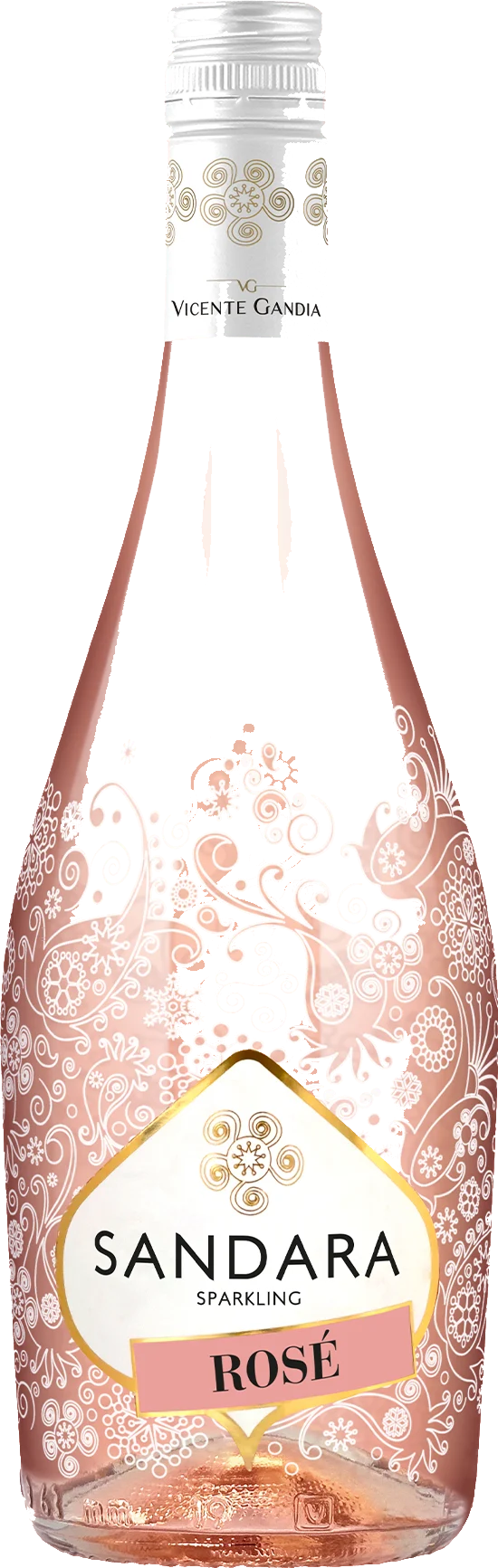
Bobal · Comunidad Valenciana
Sparkling red wine · Valencia
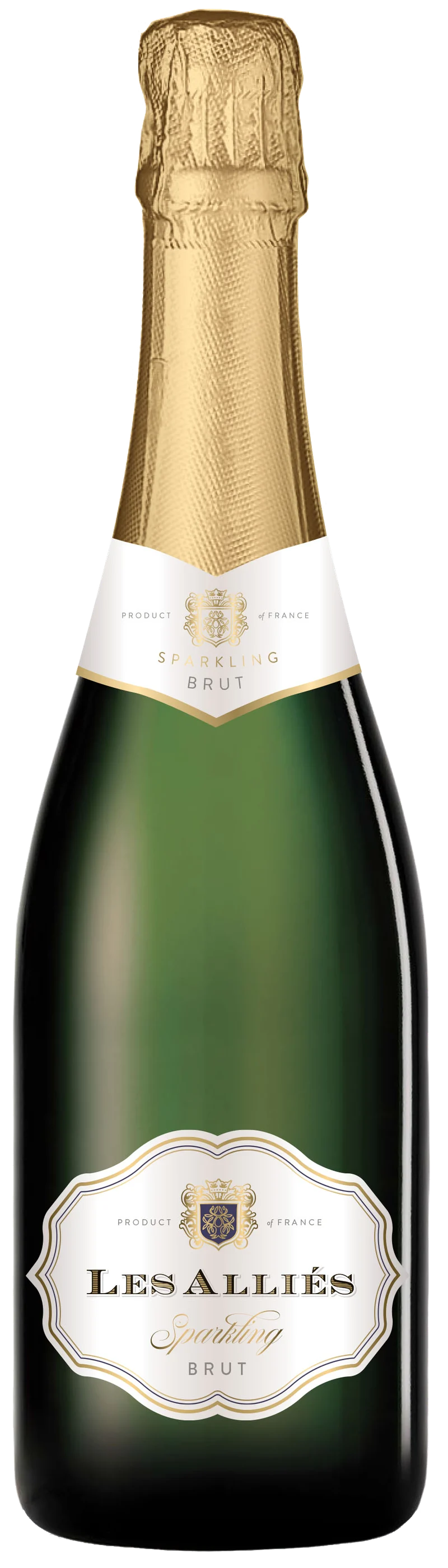
Chardonnay-Chenin Blanc · Burgundy, Cote d'Or
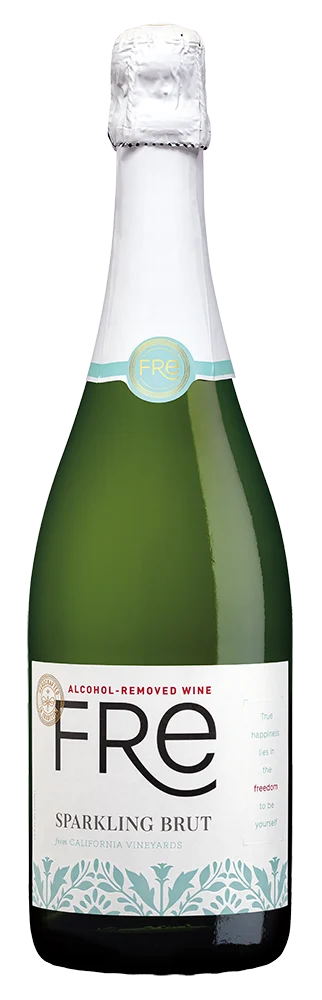
Sparkling White Blend · California
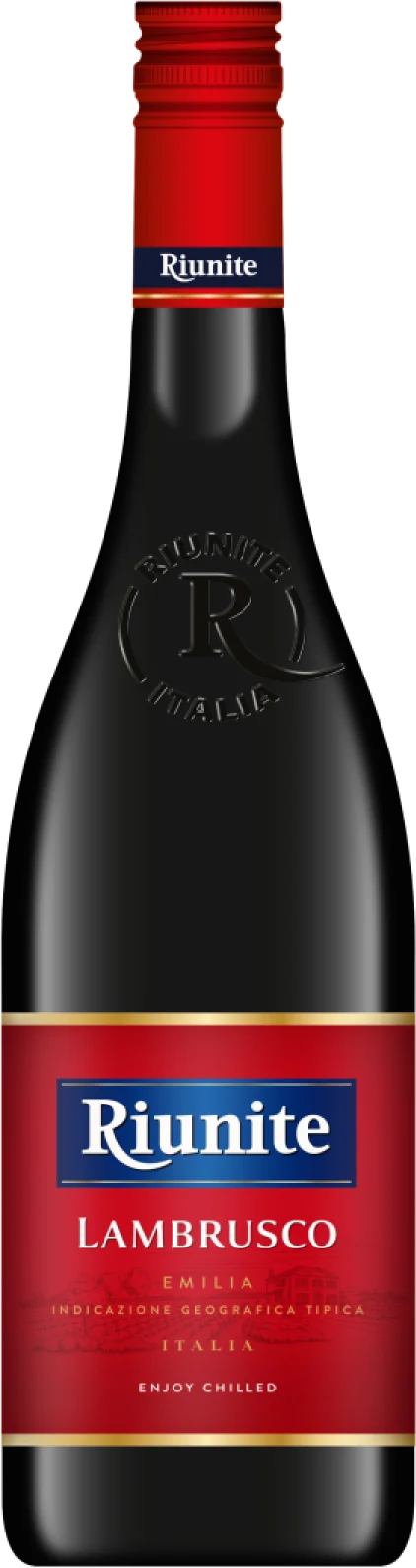
Lambrusco · Emilia-Romagna
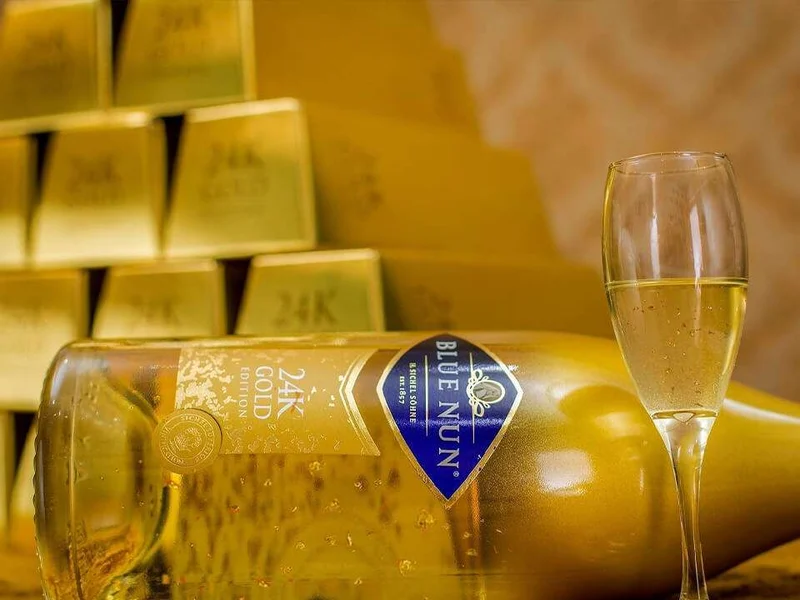
Sparkling grape wine · Germany
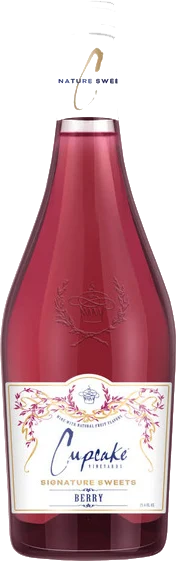
Moscato-based flavored wine · Piedmont
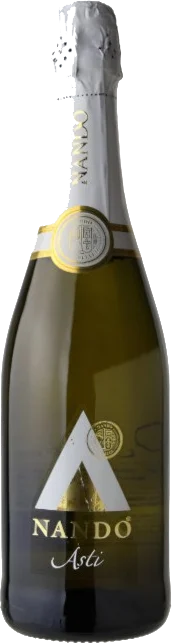
Moscato Bianco / Muscat · Piedmont
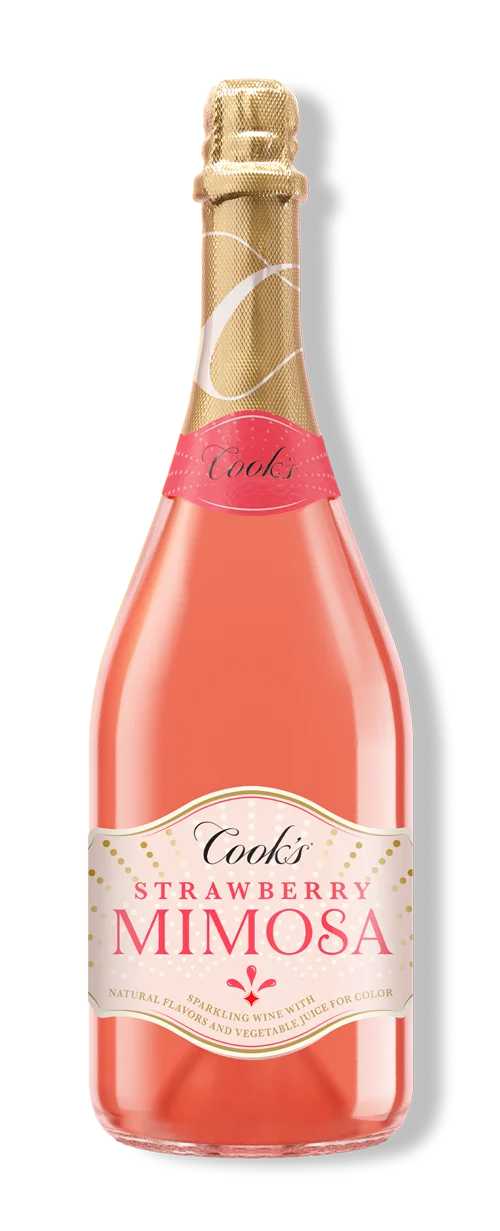
California
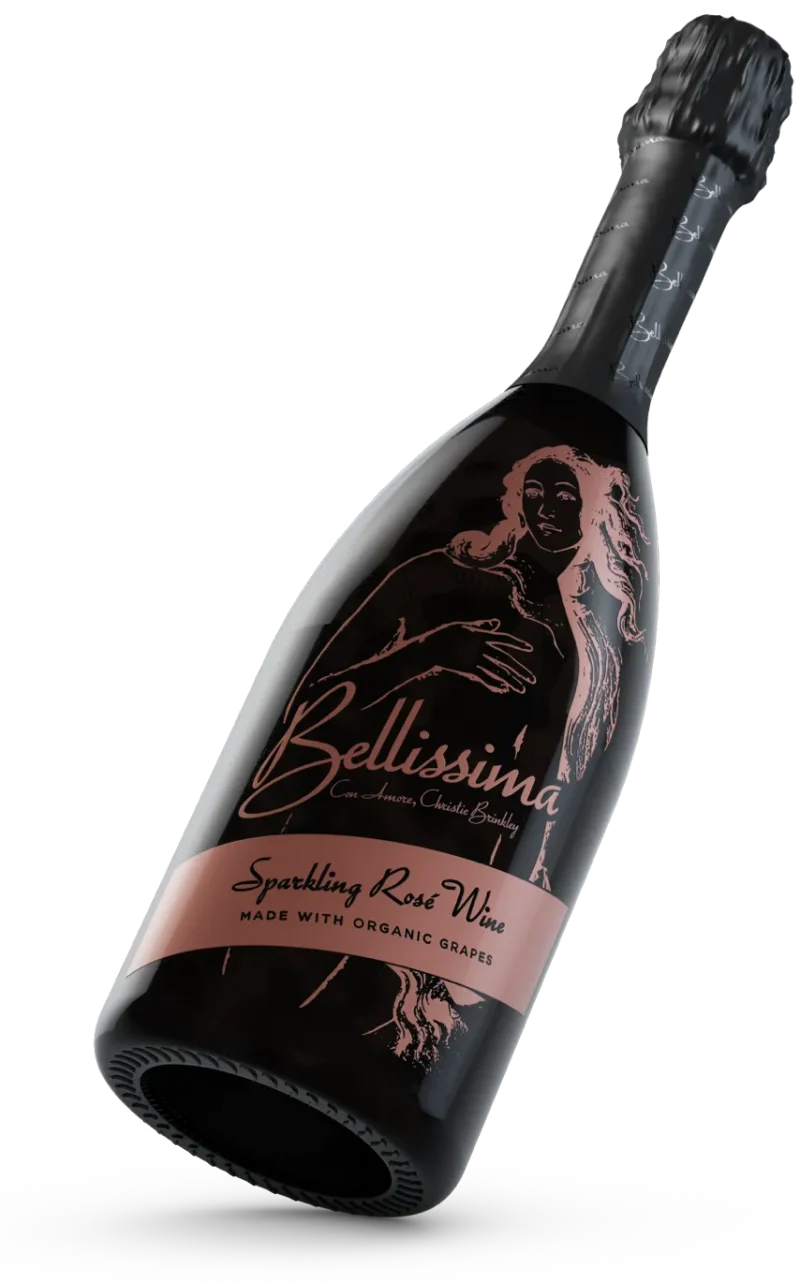
Pinot Grigio · Veneto
Sangria / red fruit wine · Florida
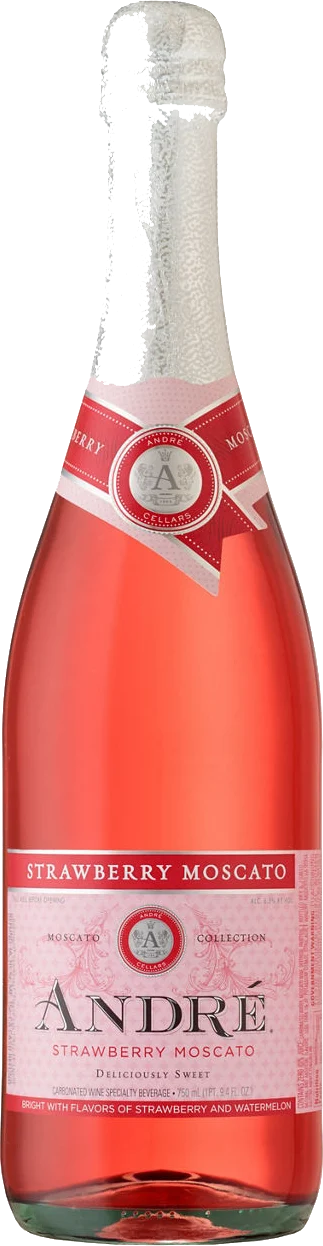
Moscato · California
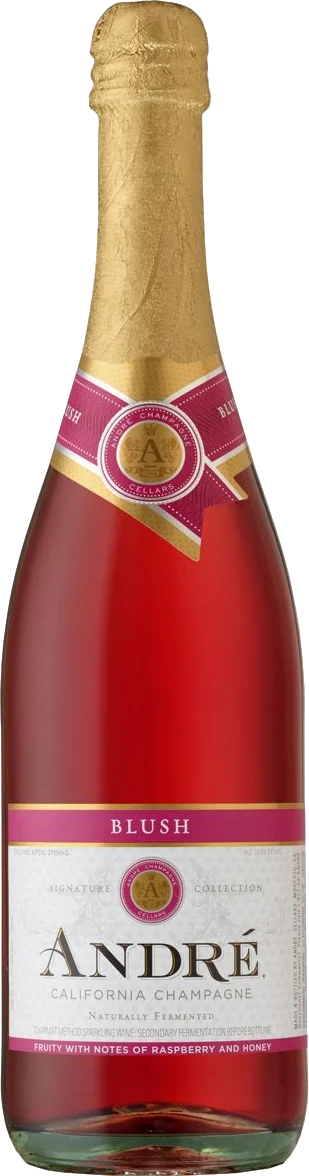
Sparkling blush wine / multiple varietals · California
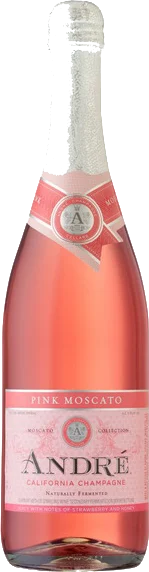
Pink Moscato · California
Verified scores from the publication named on each bottle.
Savings are calculated from the compare-at price recorded for each bottle.
Prosecco, from northeast Italy, gets its bubbles from a second fermentation in tank and tastes of pear, green apple and white flowers: light, fruity and easy. Cava, from Spain, and Champagne, from France, use a second fermentation in the bottle, which adds toasty, bready depth and finer bubbles. Cava delivers that character at a fraction of Champagne's price.
Sweetness labels run from Brut Nature (bone dry) through Brut (dry) to Extra Dry (slightly sweet, confusingly) and Demi-Sec (sweet). Most bottles here are Brut.
Chill to 40–45°F, open the bottle with a towel over the cork and a slow twist of the base, and pour into a white-wine glass rather than a narrow flute if you want to smell the wine. Sparkling wine is the best all-round food partner on the list: fried food, sushi, oysters, brunch eggs and salty snacks all love it.