
Cabernet Sauvignon vs. Merlot
4 min read · Updated

Cabernet Sauvignon and Merlot are the two grapes of Bordeaux, and they are blended together there for a reason: each has what the other lacks. On their own, in California, Washington or Chile, they make two recognizably different reds — and knowing the difference is the fastest way to buy the right bottle for the meal.
Taste and texture
Cabernet Sauvignon is black-fruited — blackcurrant, blackberry — with cedar, tobacco and graphite, and its thick skins give it firm, drying tannin and a long finish. Merlot is red-and-black-fruited — plum, black cherry, sometimes chocolate — with thinner skins, so it is softer, rounder and ready sooner. Both are dry; Merlot only tastes sweeter because its fruit is riper and its tannin gentler.
On a product page, that difference shows up as a Tannin score of 4 for a typical Cabernet against 2 or 3 for a Merlot, with Body a half-step lower for Merlot.
Food
Cabernet wants protein and fat to tame its tannin: steak, lamb, braised short ribs, aged cheddar. Merlot is the more flexible weeknight red — roast chicken, pork, meatloaf, pizza and tomato-sauced pasta all work — and it is the better choice for drinking without food.
Price
Because Napa built its name on Cabernet, top Cabernet costs more than top Merlot, and that carries down the price ladder: at the same price, a Merlot is often the more complete wine. Washington State and Bordeaux's Right Bank (Pomerol, Saint-Émilion) are where Merlot is taken most seriously.
The short version: Cabernet for steak night and for cellaring; Merlot for a smooth glass tonight.
Merlot in stock now
See all →Live inventory — prices and stock are current.
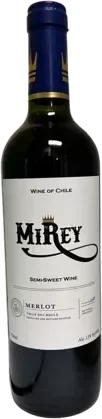
MiRey Mi Rey Merlot
Merlot · Central Valley
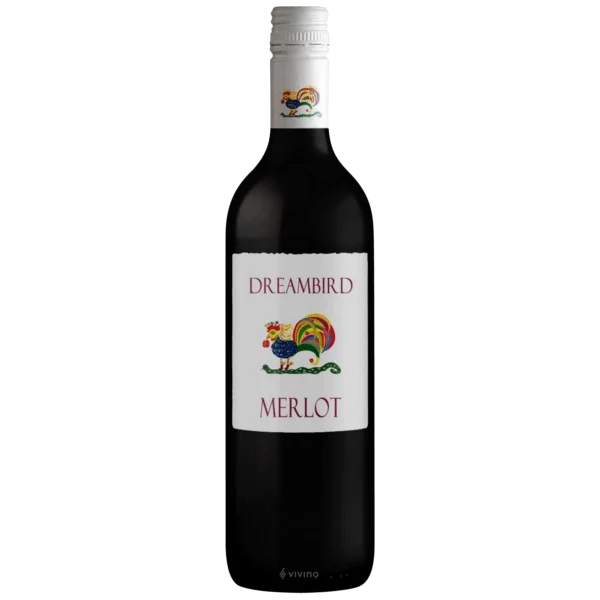
Cramele Recas Dreamfish Merlot
Merlot · Banat
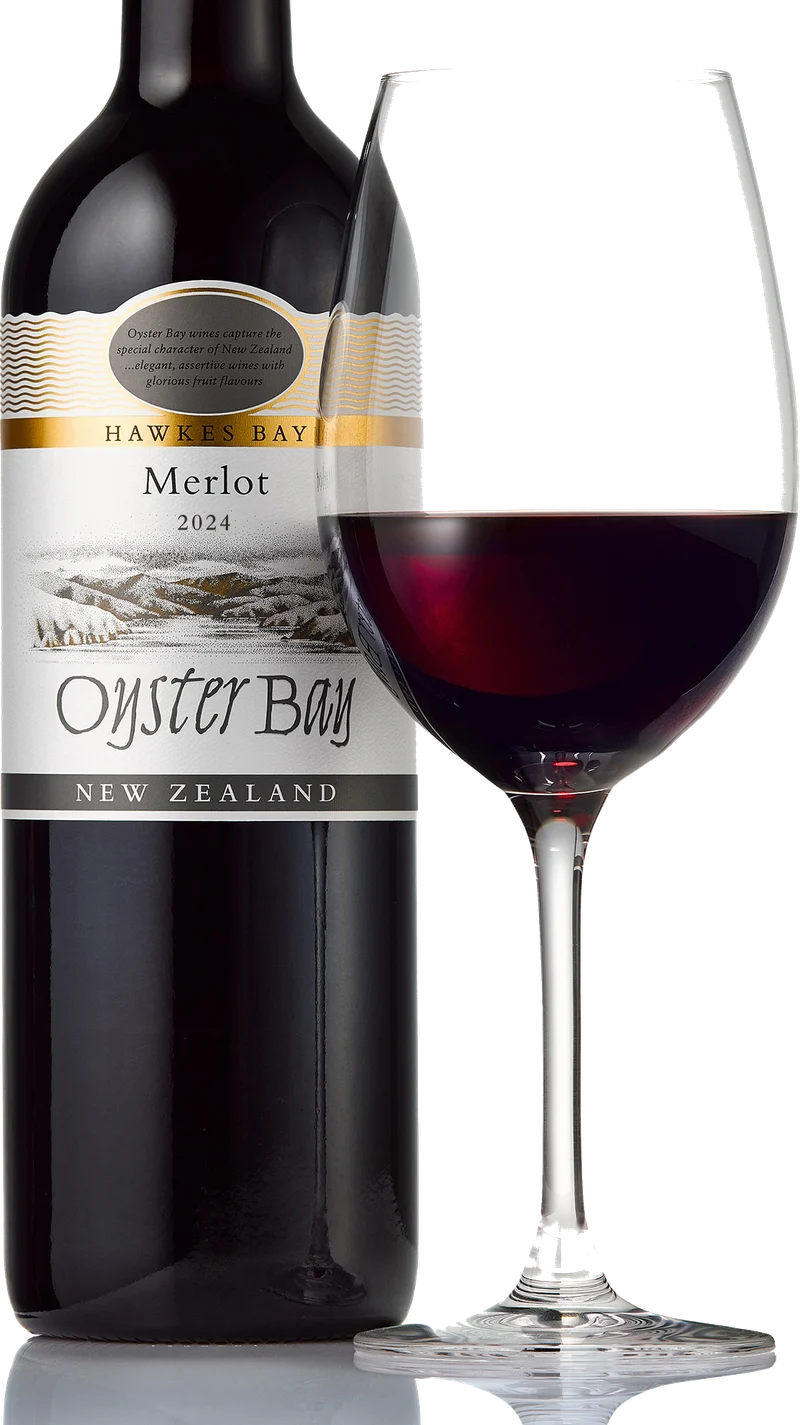
Oyster Bay Merlot
Merlot · Hawke's Bay
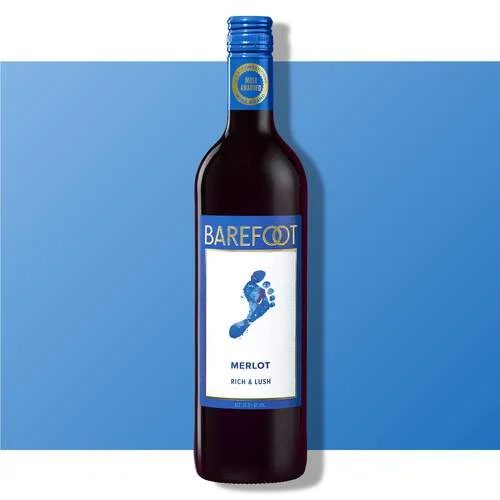
Barefoot Cellars Merlot
Merlot · California


