
Napa Valley Wine Guide
5 min read · Updated

Napa Valley is thirty miles long, produces about four percent of California's wine, and is responsible for most of its reputation. The reason is Cabernet Sauvignon: dense, dark, age-worthy reds that beat top Bordeaux in the 1976 Judgment of Paris tasting and have been priced accordingly ever since.
The lay of the land
The valley runs south to north from the cool, fog-cooled Carneros district at the edge of San Pablo Bay to warm Calistoga at the top. Oakville and Rutherford in the middle are the classic Cabernet heartland — the 'Rutherford dust' style of dusty, cassis-scented tannin. Stags Leap District makes softer, perfumed Cabernet; the mountain appellations — Howell Mountain, Mount Veeder, Spring Mountain — make the firmest, longest-lived wines. Carneros, at the cool end, is where Napa's best Chardonnay and Pinot Noir grow.
What Napa Cabernet tastes like
Blackcurrant and blackberry with cedar, graphite and dark chocolate, full body, ripe but firm tannin and the structure to improve for ten years or more. Valley-floor wines are plusher and ready sooner; mountain wines need time. A Napa Cabernet is enjoyable on release with an hour in a decanter and pairs with rib-eye, lamb and aged cheeses.
Finding value
Land in Napa is among the most expensive farmland on earth, so the wines are rarely cheap. Value lives in three places: a producer's 'Napa Valley' entry bottling rather than a single-vineyard wine; second labels made from a famous estate's younger vines; and the valley's less celebrated grapes — Merlot, Sauvignon Blanc and Chardonnay — which carry less of the Cabernet premium. A Napa wine under $30, and any Napa wine with a verified markdown, is worth a close look.
Napa Valley wines in stock now
See all →Live inventory — prices and stock are current.
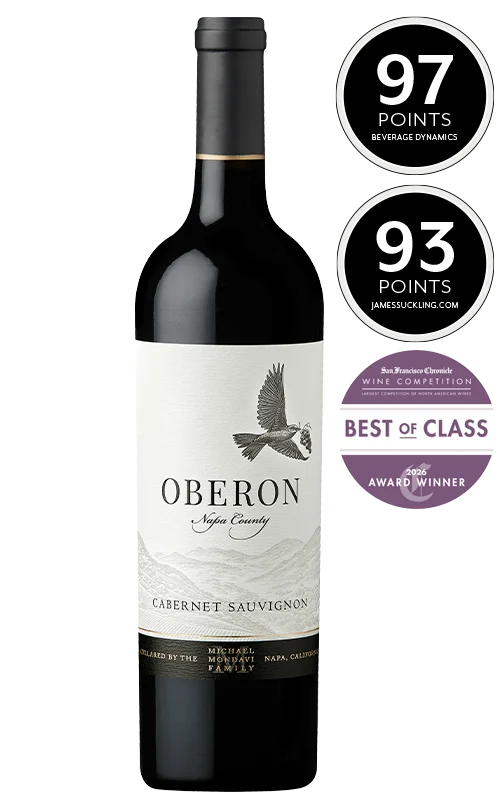
Oberon Cabernet Sauvignon
Cabernet Sauvignon · California
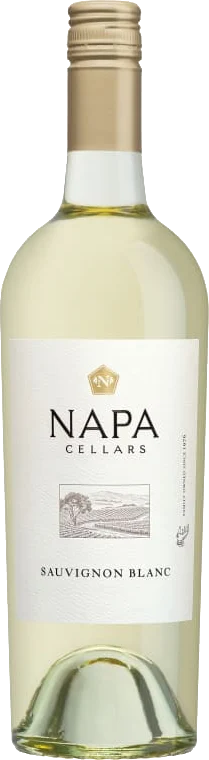
Napa Cellars Sauvignon Blanc
Sauvignon Blanc · California
Sterling Vineyards Napa Sauvignon Blanc
Sauvignon Blanc · California
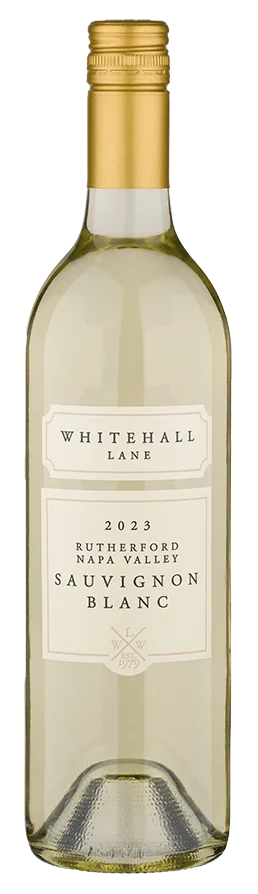
Whitehall Lane Winery Sauvignon Blanc
Sauvignon Blanc with Semillon · California, Napa Valley