Toscana Terrilogio Tuscan red blend
Tuscan red blend · Tuscany
$6.99$9.99

Every red wine in stock right now, from everyday Cabernet and Merlot to Pinot Noir for the table. Each bottle shows its style, body and what it pairs with, so you can pick by taste rather than by label.
433 wines in stock · $2.99 – $346.99
Tuscan red blend · Tuscany
Primitivo · Puglia
Montepulciano · Abruzzo
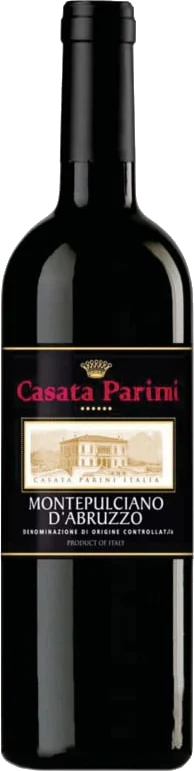
Montepulciano · Abruzzo
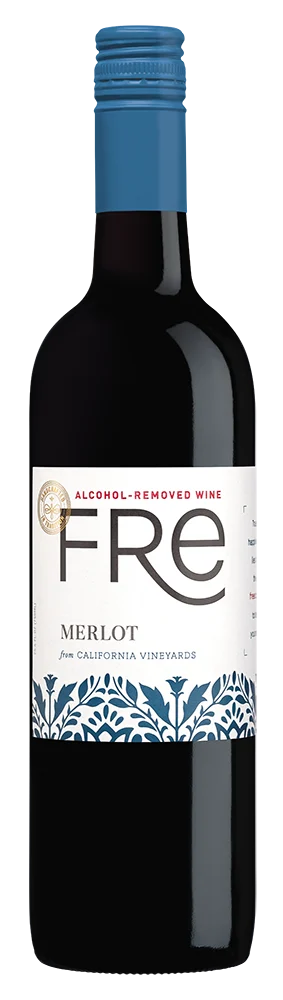
Merlot · California
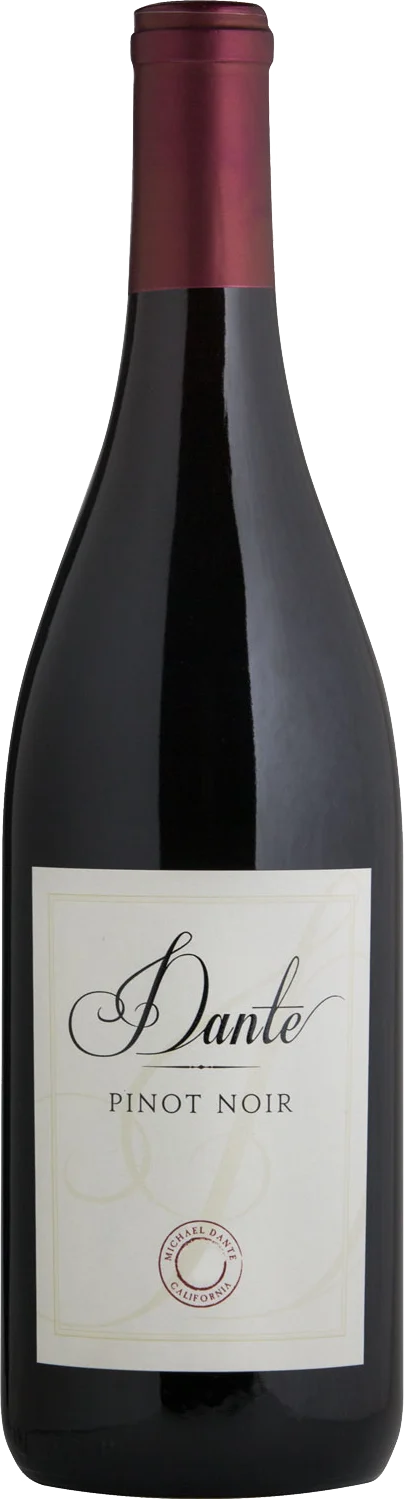
Pinot Noir · California
Red Blend (Zinfandel, Merlot, Barbera, Petite Sirah) · California
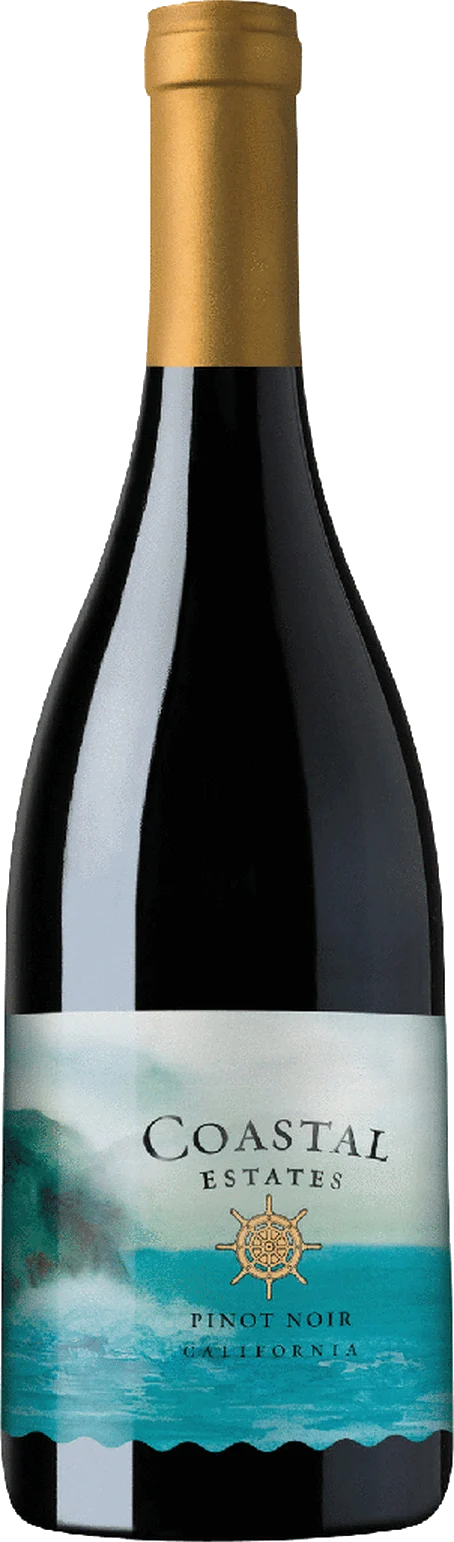
Pinot Noir · California
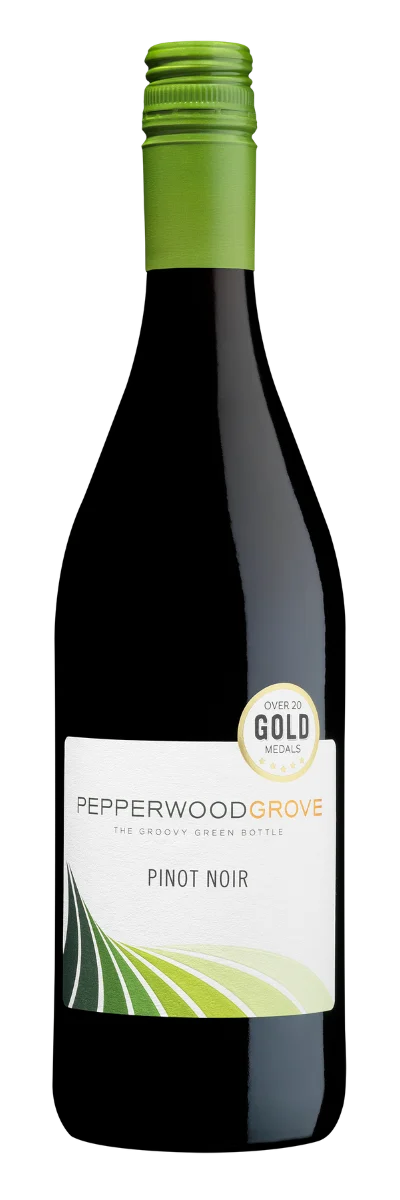
Pinot Noir · Central Valley (Valle Central)
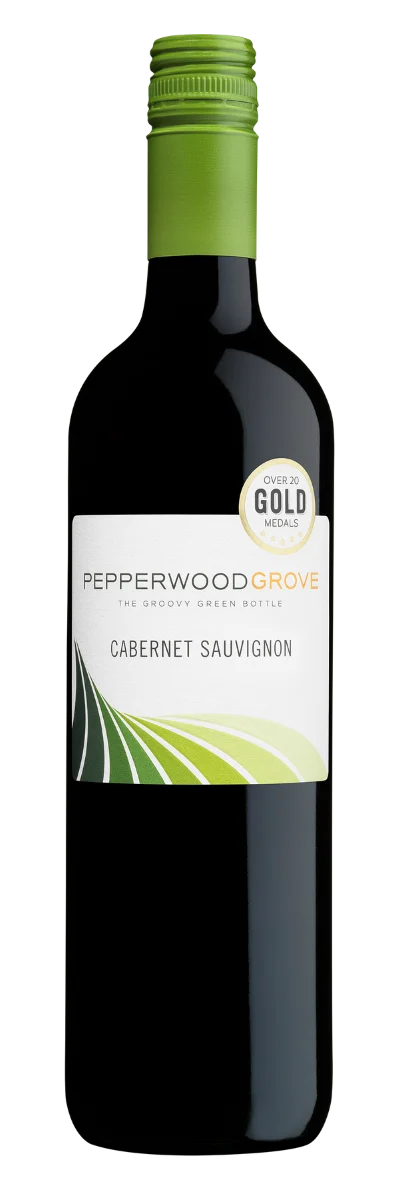
Cabernet Sauvignon · Valle Central (Central Valley)
Sangiovese-based Tuscan red blend · Tuscany
Malbec · Mendoza
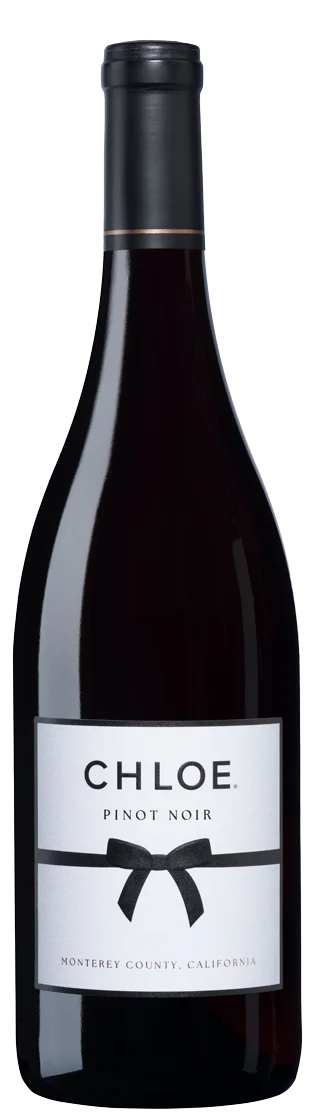
Pinot Noir · California, Central Coast
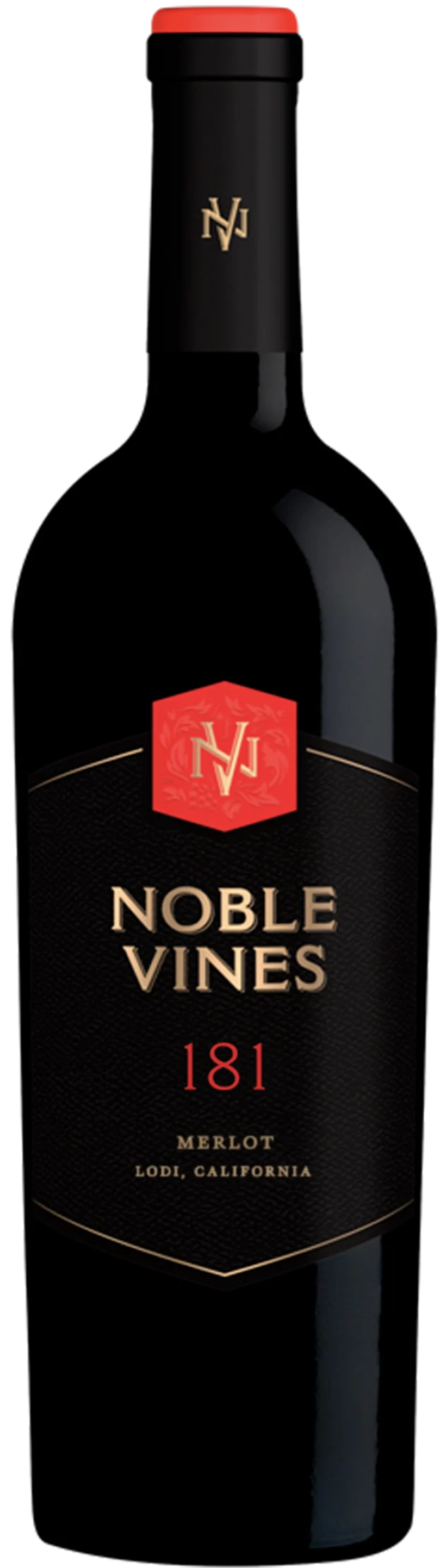
Merlot · California
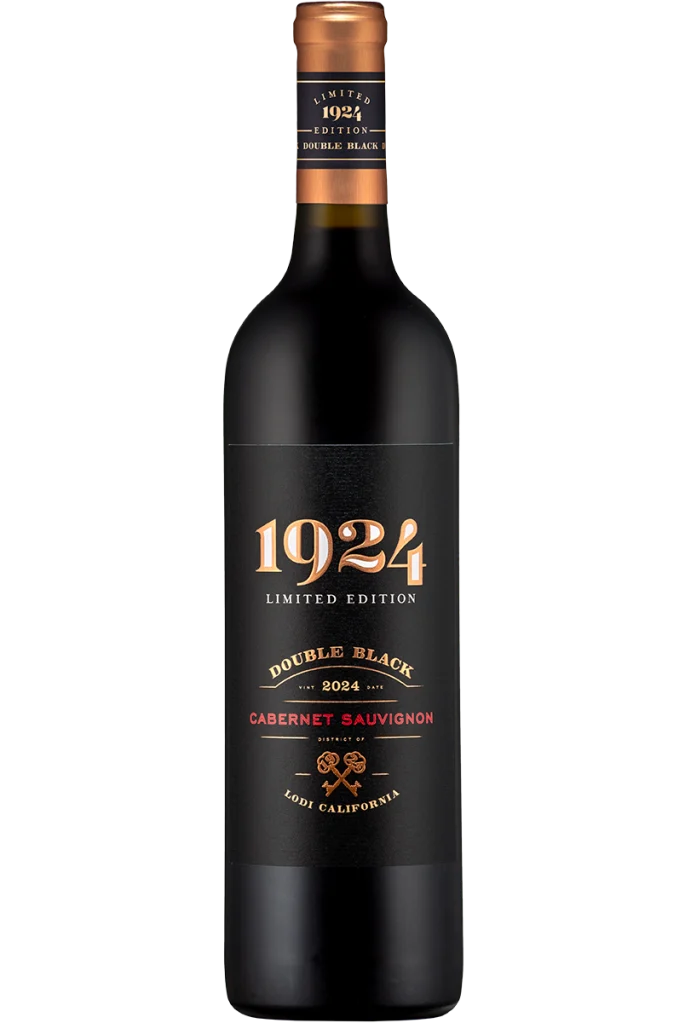
Cabernet Sauvignon · California, Central Valley
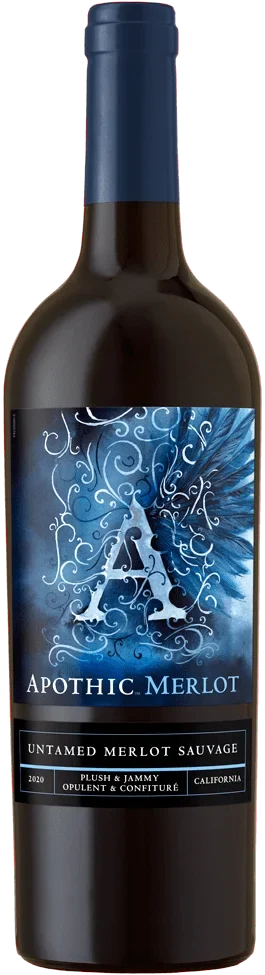
Merlot · California
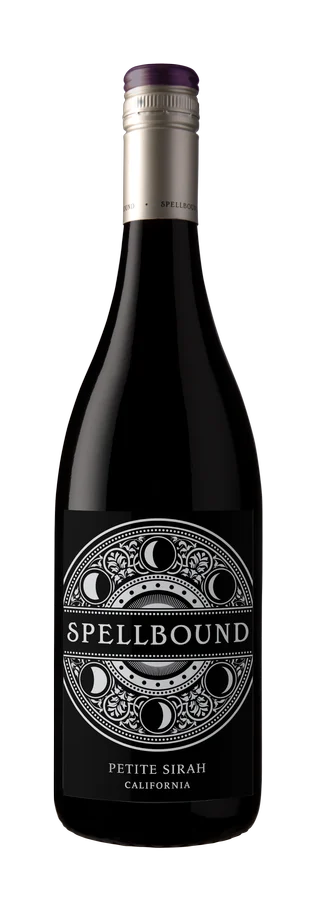
Petite Sirah · California
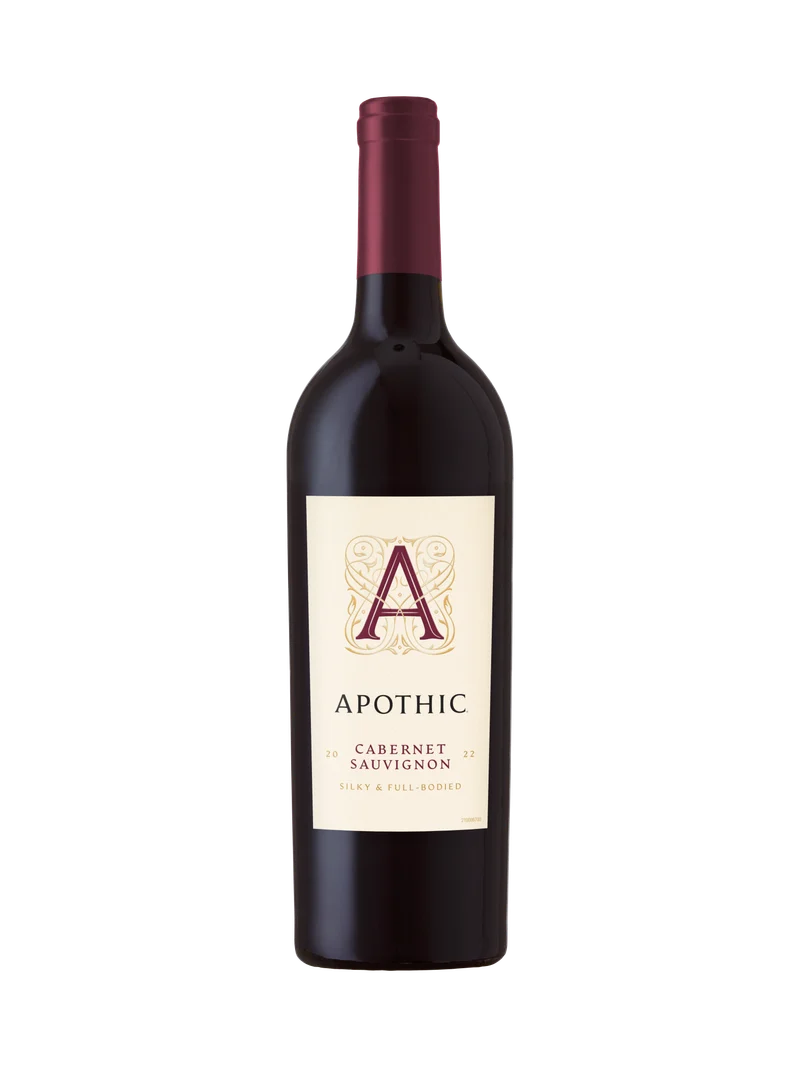
Cabernet Sauvignon · California
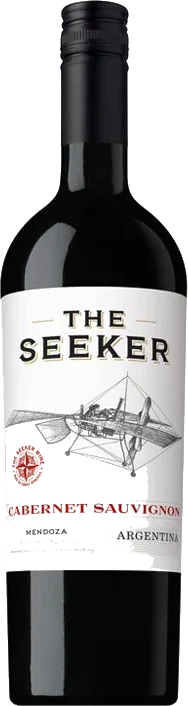
Cabernet Sauvignon · Mendoza
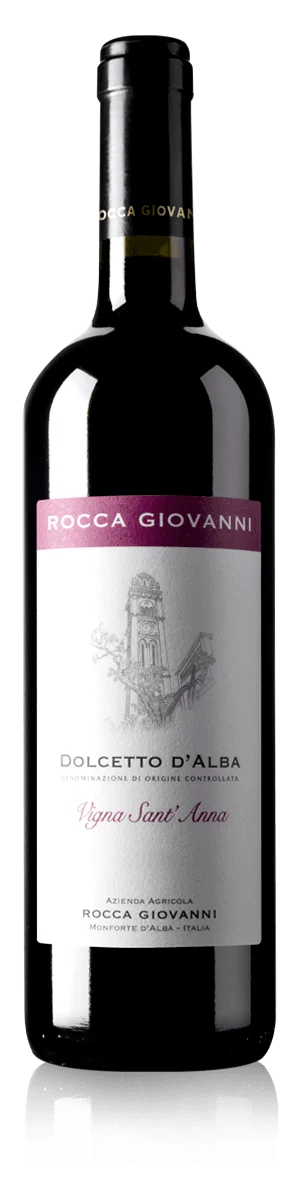
Dolcetto · Piedmont
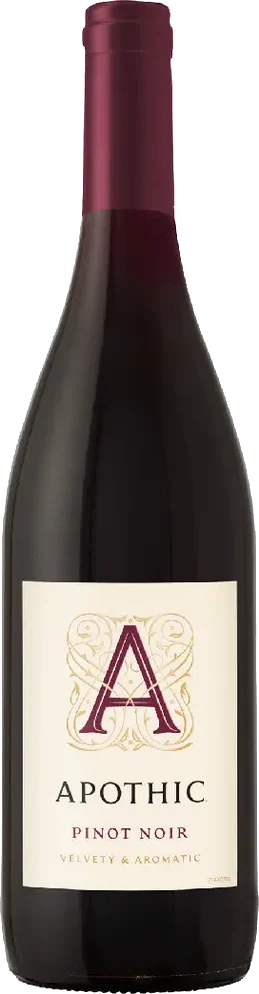
Pinot Noir · California
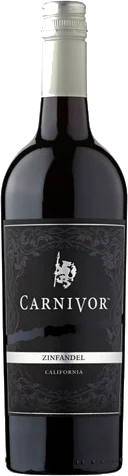
Zinfandel · California
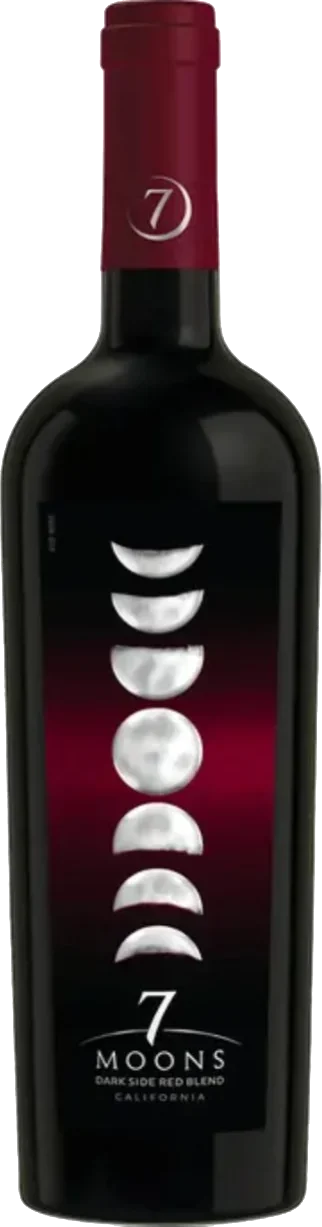
Red Blend · California
Merlot · California
Verified scores from the publication named on each bottle.
Savings are calculated from the compare-at price recorded for each bottle.
Reds get their color, tannin and much of their structure from grape skins that stay in the fermenting juice. That is why a Cabernet Sauvignon feels firm and drying while a Pinot Noir feels silky: thicker-skinned grapes give more grip. On each product page the Body and Tannin scales tell you where a bottle sits before you buy.
Our selection leans toward recognizable, food-friendly styles at everyday prices — California Cabernet, Merlot and Pinot Noir — with imports added as we find real value. Verified critic scores and the store's own compare-at prices appear only where they exist.
Match weight to weight. Grilled steak, lamb and braises want a full-bodied red with tannin to cut the fat: Cabernet Sauvignon, Malbec or a bold blend. Roast chicken, salmon, mushroom dishes and pizza are happier with medium-bodied Pinot Noir or Merlot. Tomato-based pasta likes acidity, which is where Italian reds shine.
Serve reds a little cooler than room temperature, around 60–65°F. Fifteen minutes in the refrigerator sharpens a red that has been sitting in a warm kitchen, and young, tannic bottles open up with twenty minutes in a decanter.