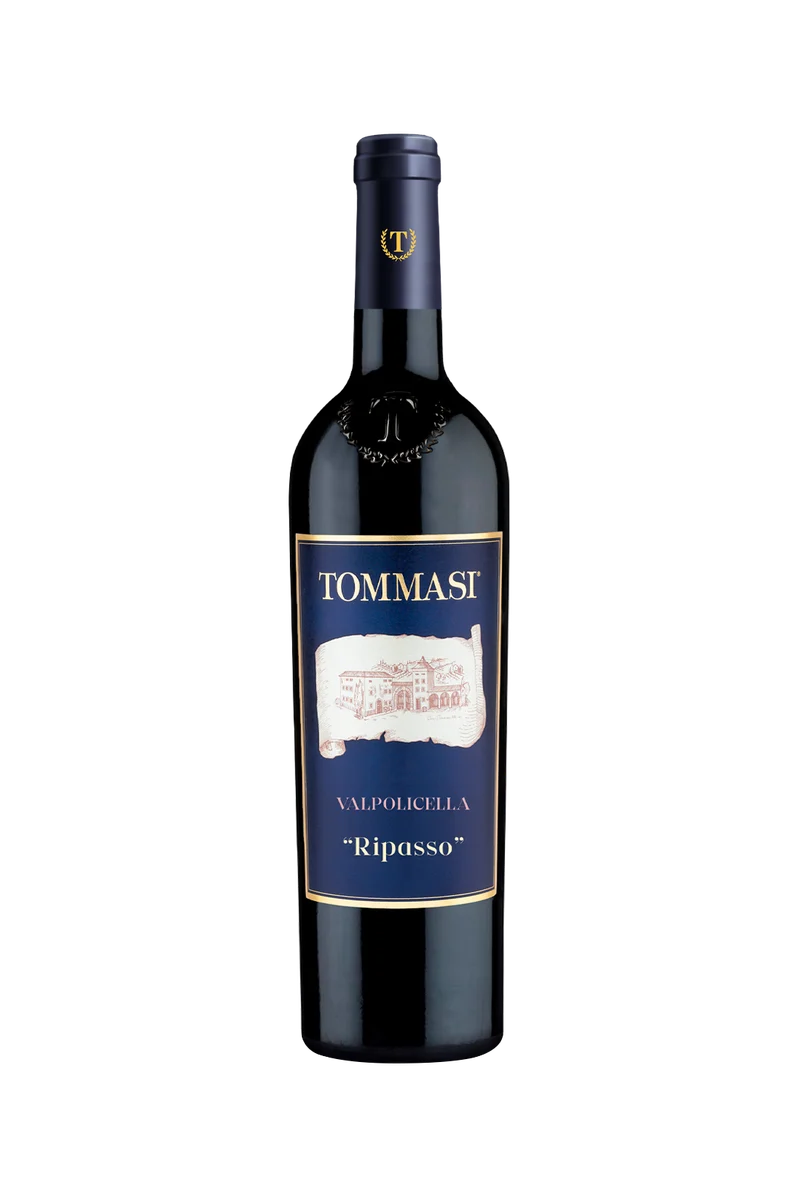
Tommasi Viticoltori Ripasso Valpolicella
Corvina-based red blend · Veneto
$15.99$20.99

From Prosecco and Pinot Grigio in the north to Chianti in Tuscany and sun-baked reds in the south — Italy makes food wines above all.
140 wines in stock · $3.99 – $59.99
Corvina-based red blend · Veneto
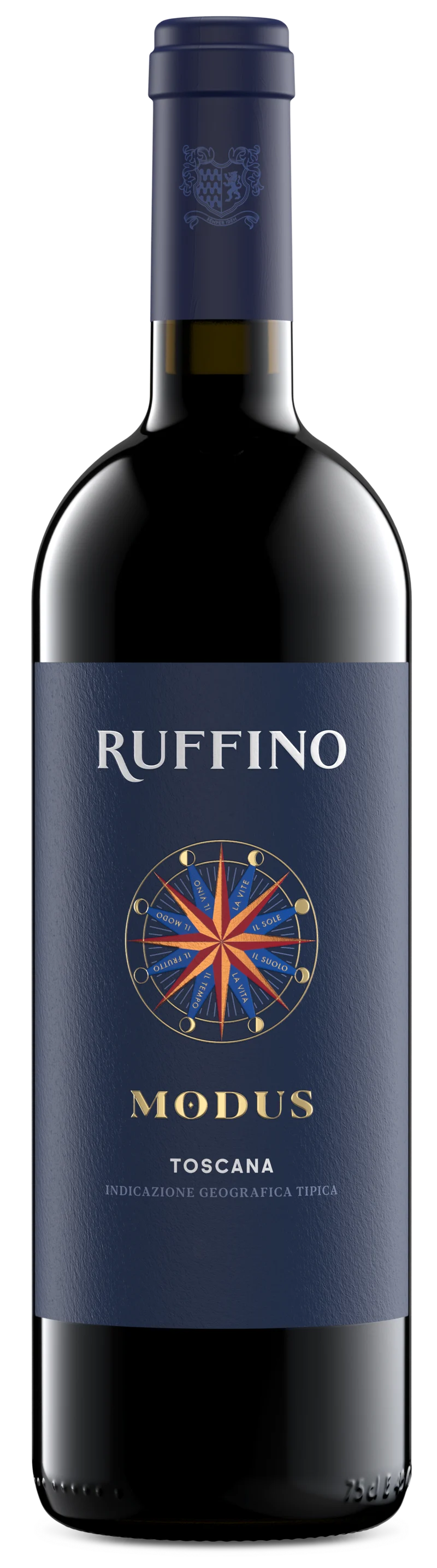
Sangiovese/Cabernet Sauvignon/Merlot/Petit Verdot blend · Tuscany
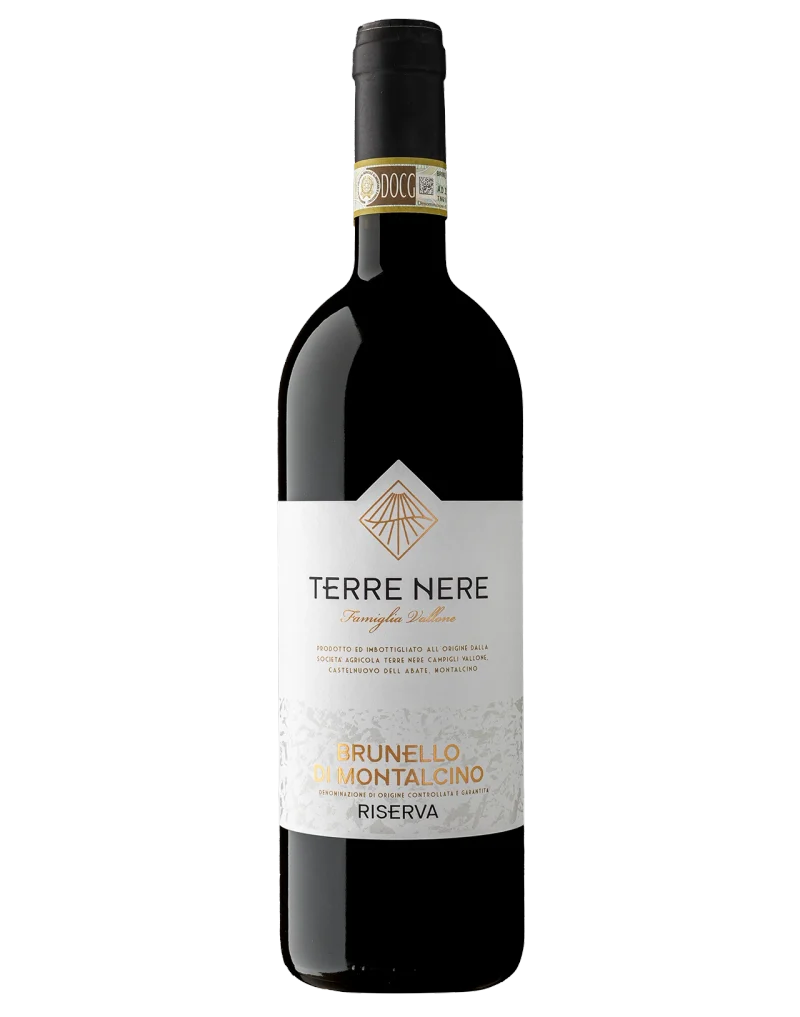
Sangiovese Grosso · Tuscany
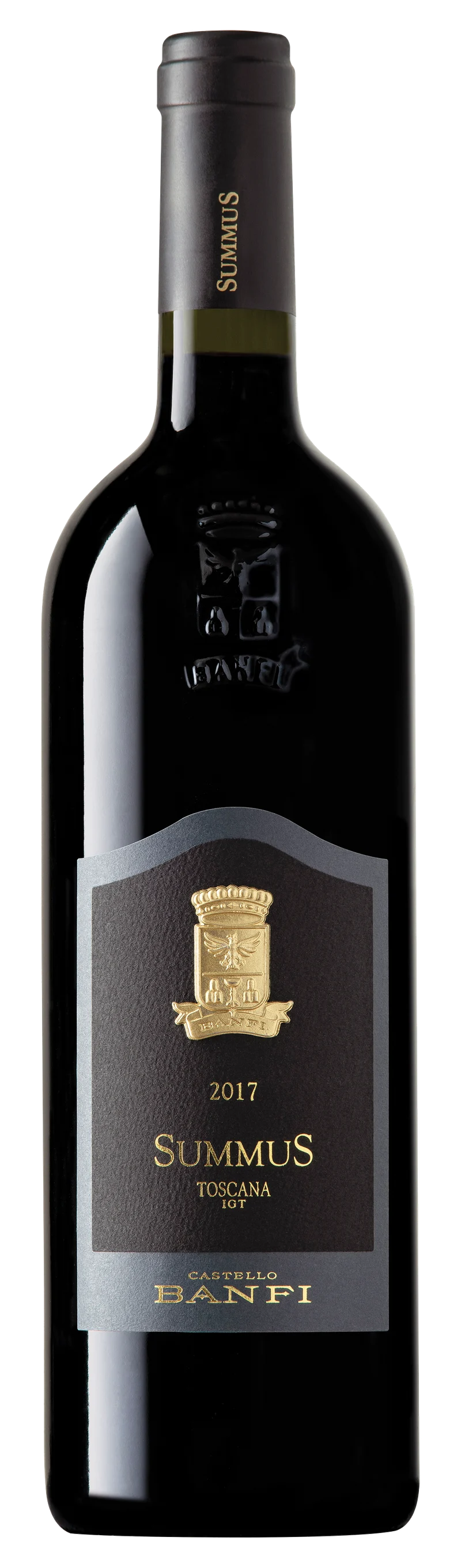
Red blend: Sangiovese, Cabernet Sauvignon and Syrah · Tuscany
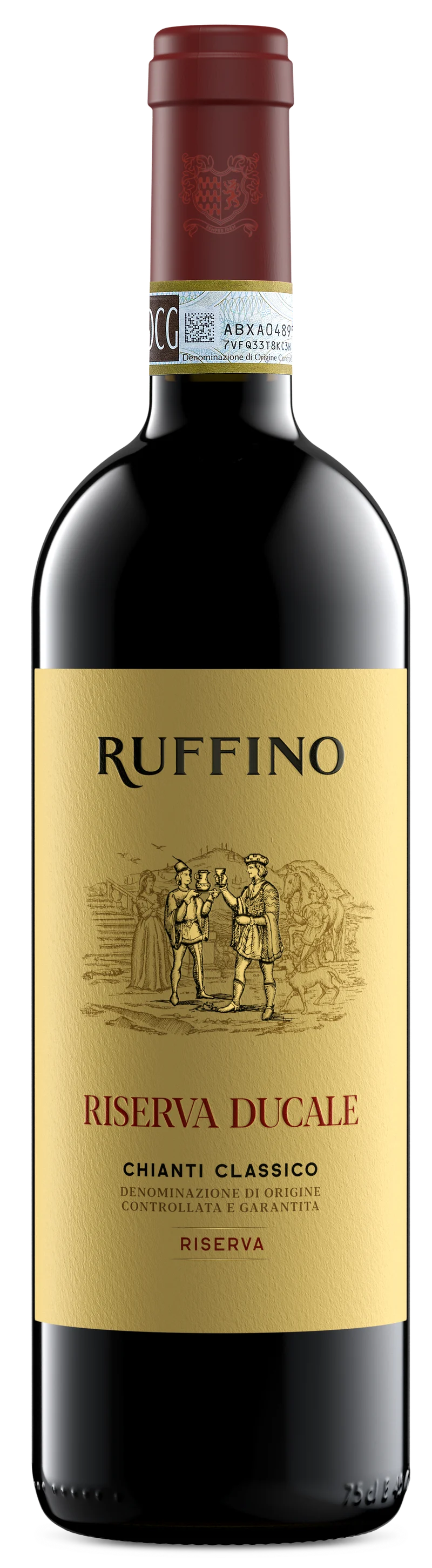
Sangiovese-based red blend · Tuscany
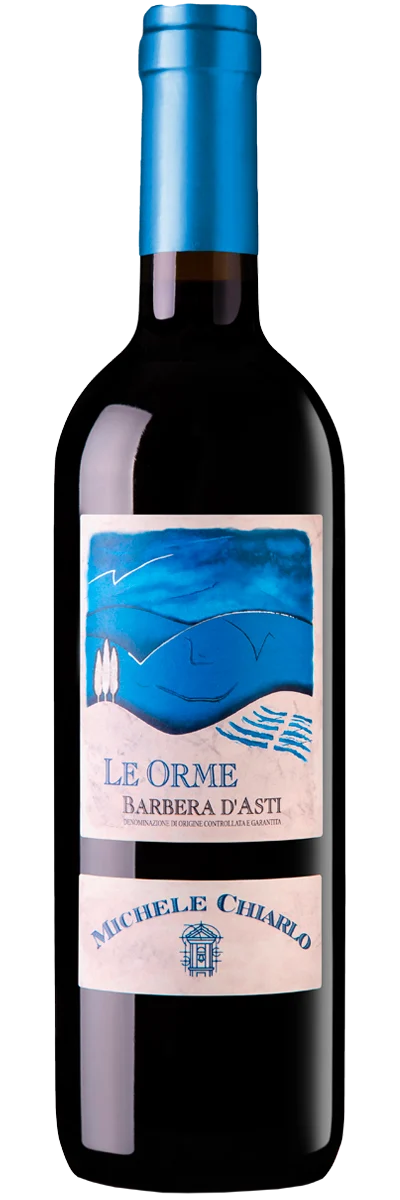
Barbera · Piedmont
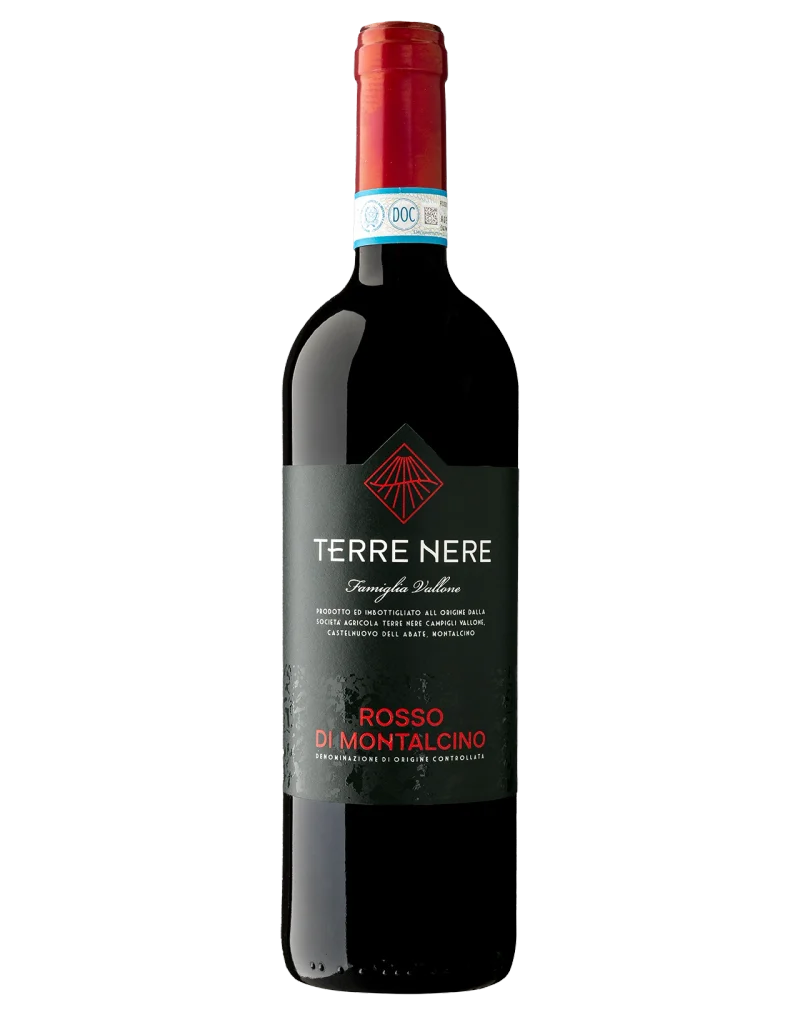
Sangiovese Grosso · Tuscany
Corvina, Corvinone and Rondinella red blend · Veneto
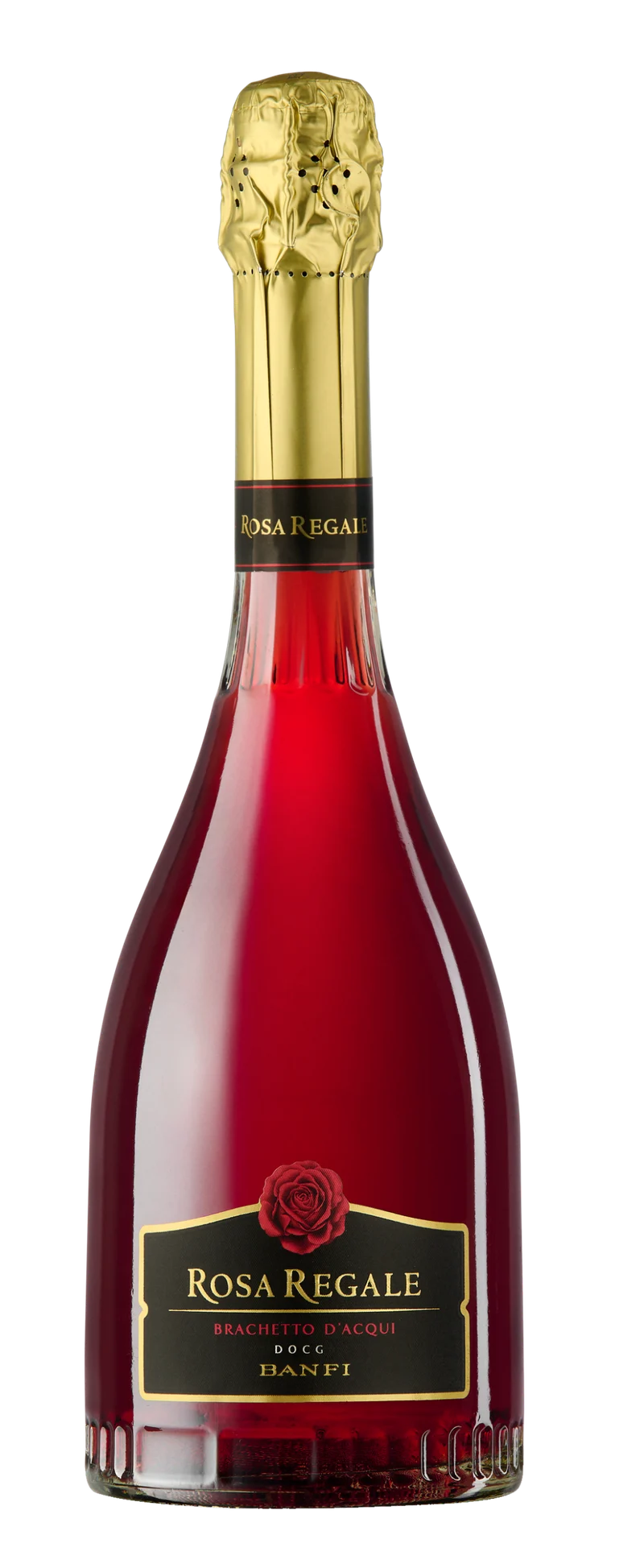
Brachetto · Piedmont
Moscato · Piedmont
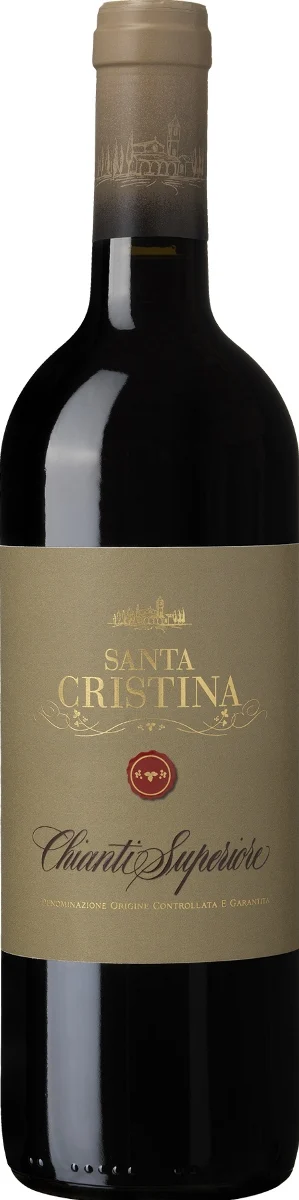
Sangiovese · Tuscany
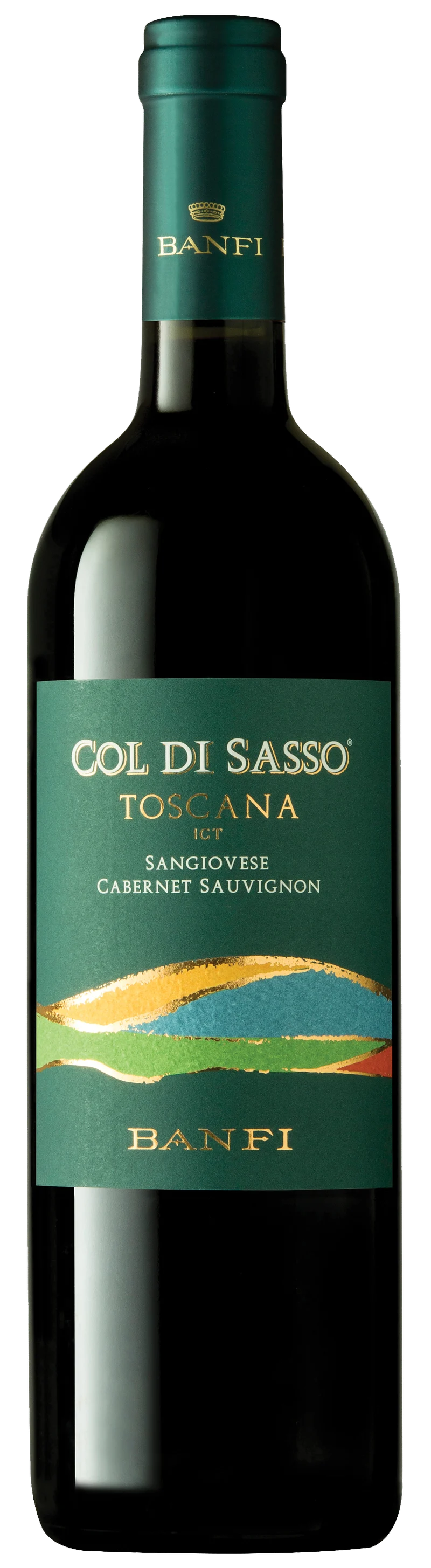
Sangiovese and Cabernet Sauvignon · Tuscany
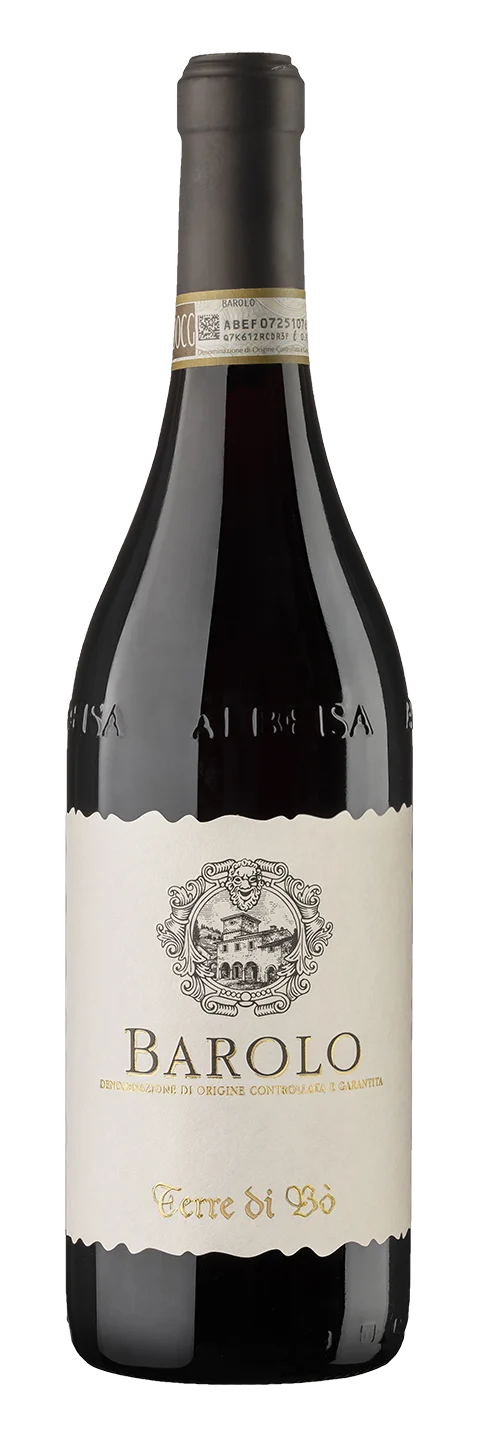
Nebbiolo · Piedmont
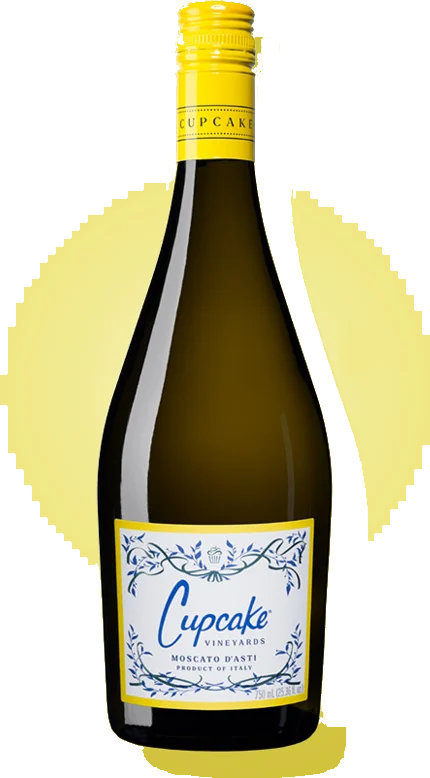
Moscato Bianco · Piedmont
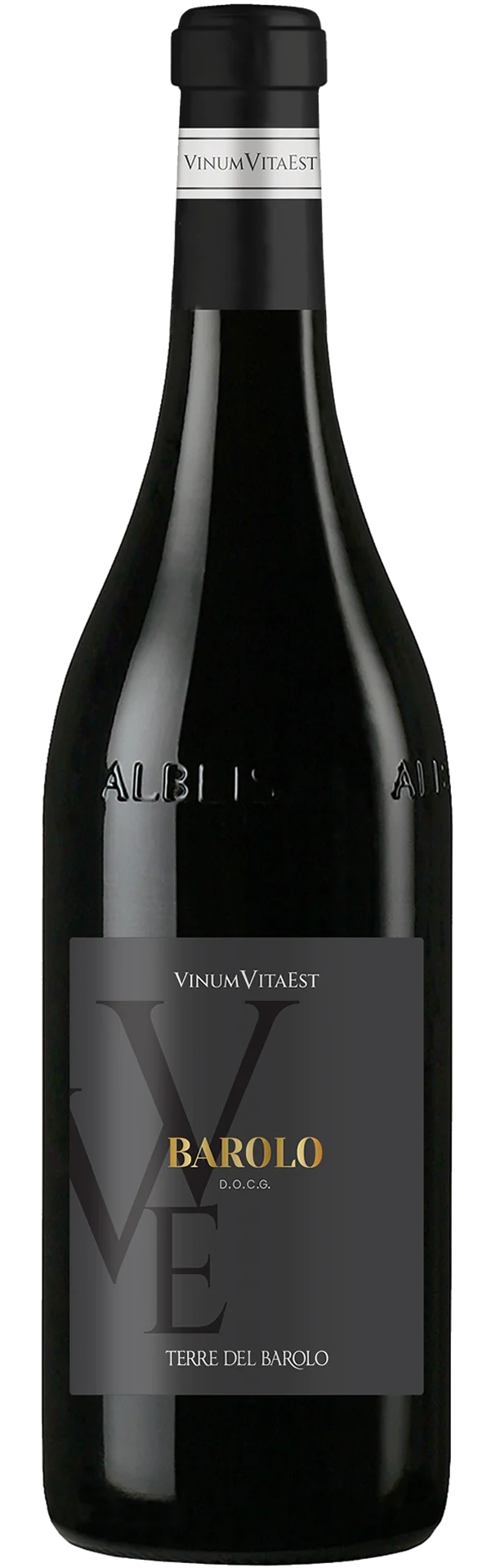
Nebbiolo · Piedmont
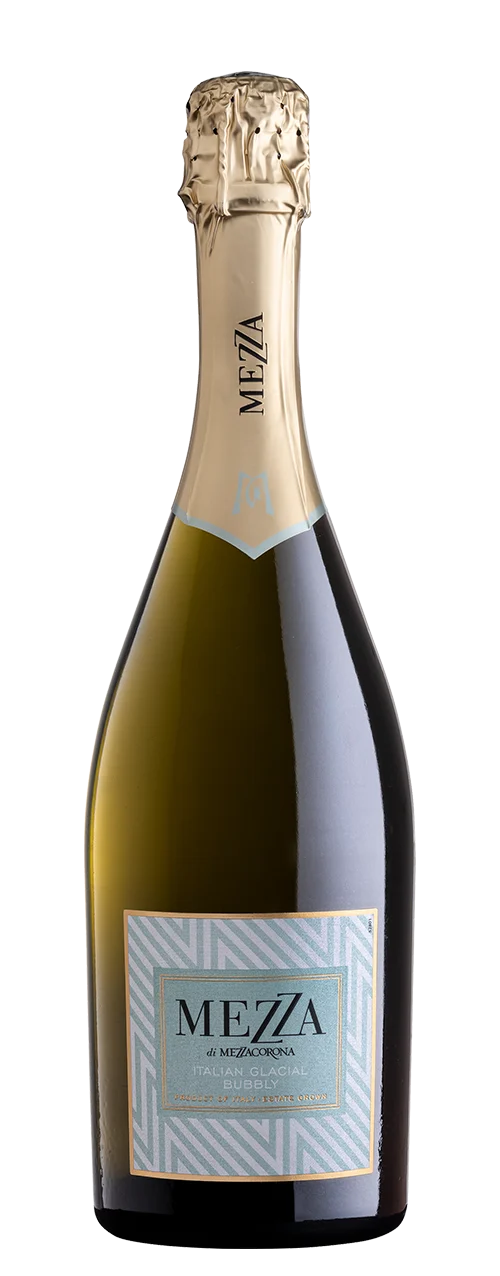
Sparkling white blend: Chardonnay, Pinot Bianco and Muller Thurgau · Trentino-Alto Adige
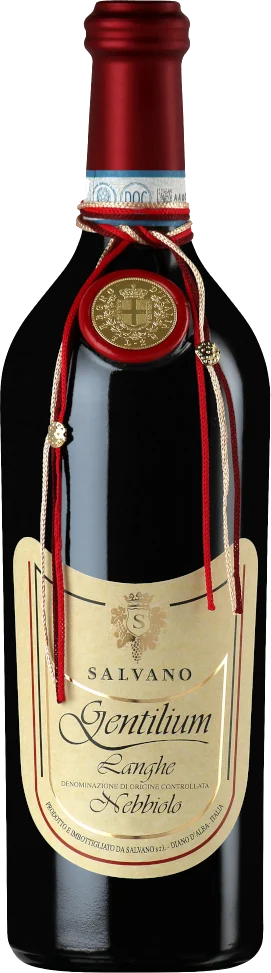
Nebbiolo · Piedmont
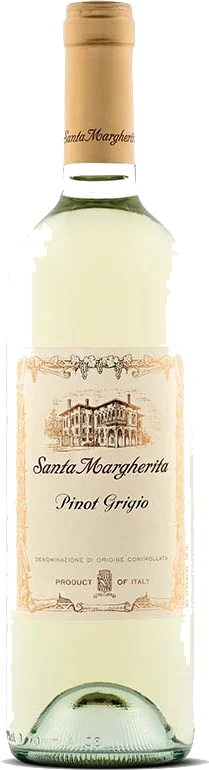
Pinot Grigio · Valle dell'Adige
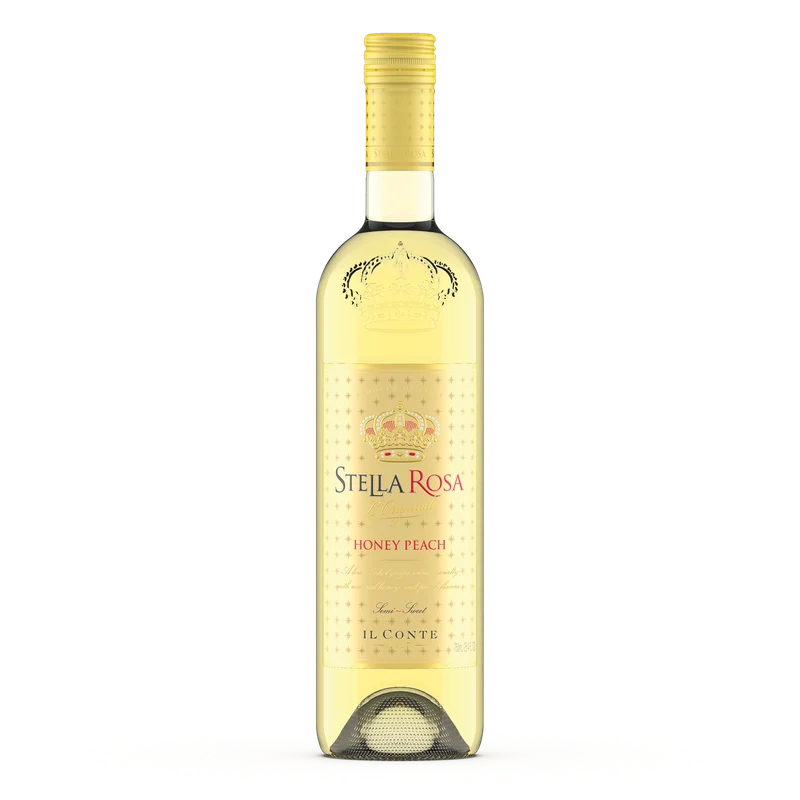
Moscato · Piedmont
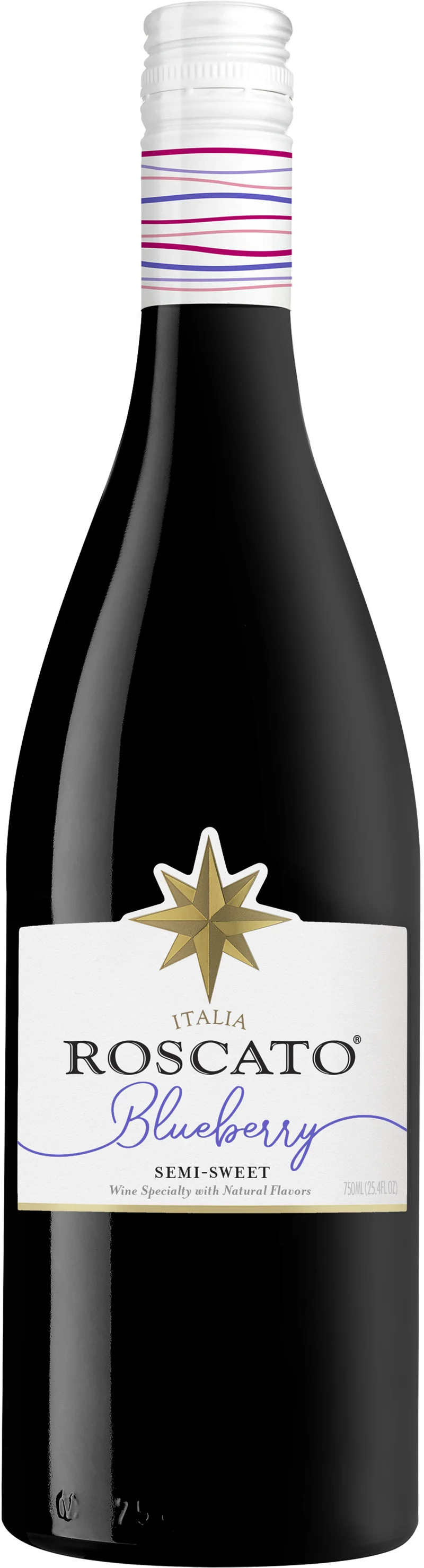
Aromatized semi-sweet red wine / red blend with natural blueberry flavor · Northern Italy
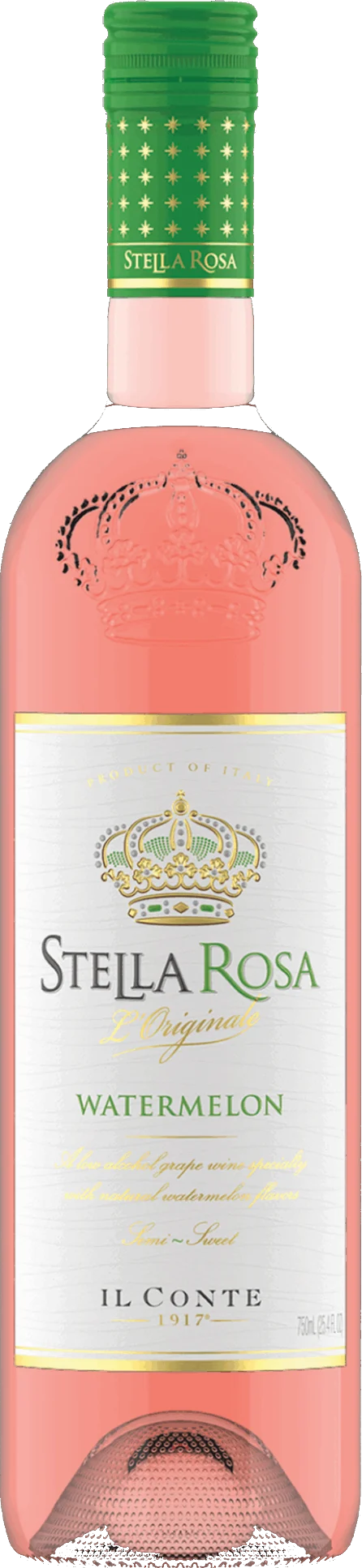
White Moscato and Barbera flavored rosé blend · Piedmont / Italy
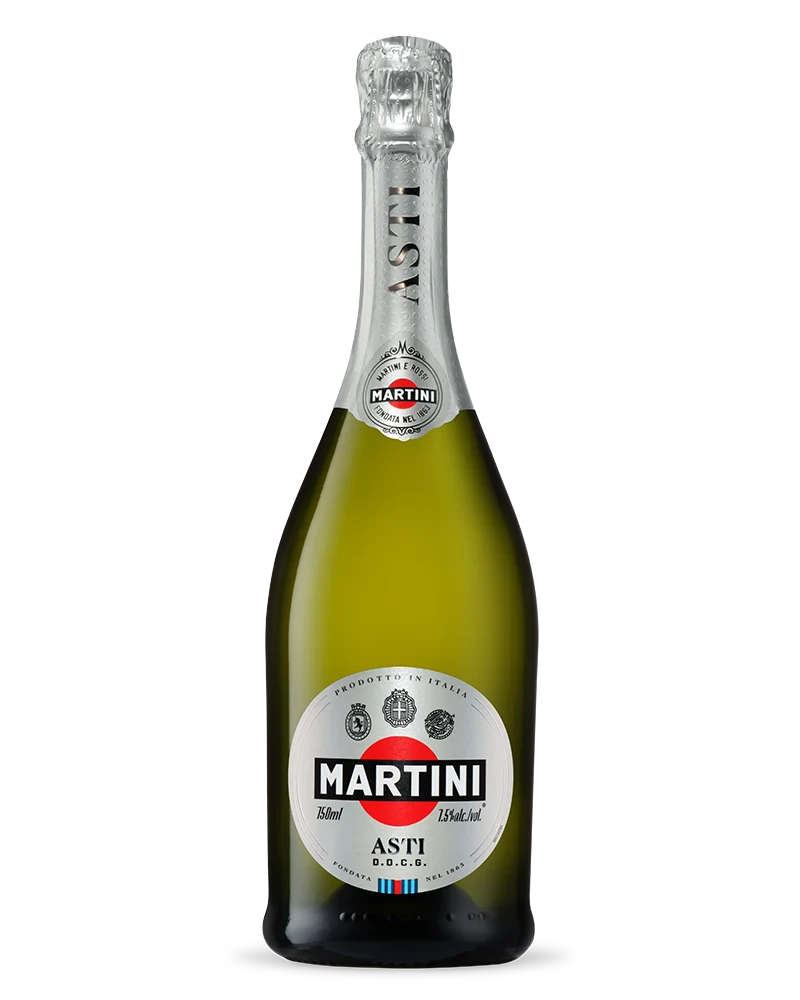
Moscato Bianco · Piedmont
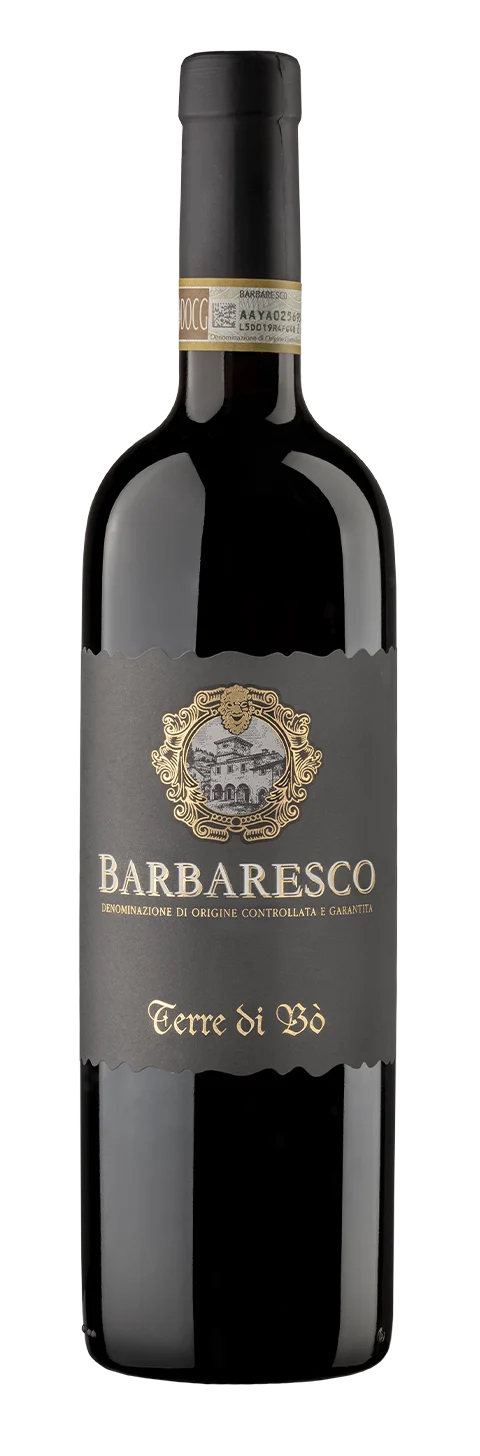
Nebbiolo · Piemonte
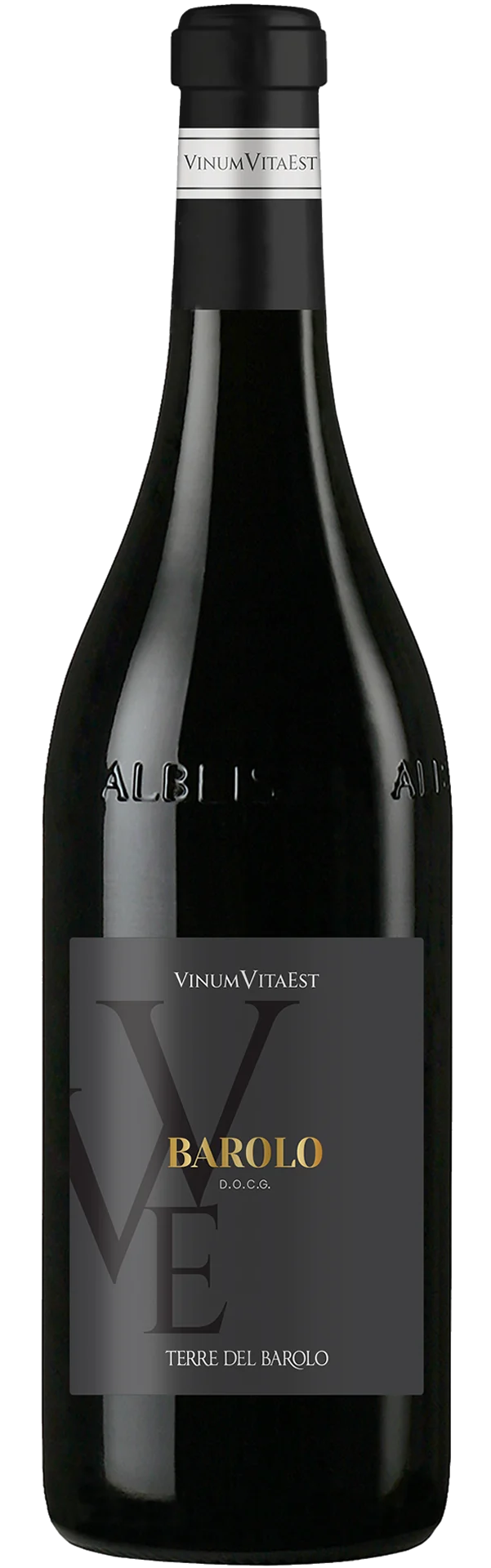
Nebbiolo · Piedmont
Verified scores from the publication named on each bottle.
Savings are calculated from the compare-at price recorded for each bottle.
The Veneto in the northeast is the source of Prosecco, Pinot Grigio and Valpolicella. Tuscany is Sangiovese: Chianti, Chianti Classico and Brunello di Montalcino, all built on cherry fruit and food-friendly acidity. Piedmont in the northwest makes Barolo and Barbaresco from Nebbiolo, and lighter Barbera and Dolcetto for everyday drinking. The south — Puglia, Sicily, Abruzzo — offers the best value: ripe Primitivo, Nero d'Avola and Montepulciano d'Abruzzo for well under $20.
Italian wines are made to be drunk with food. Their acidity, which can seem sharp on its own, is exactly what makes them sing with tomato sauce, olive oil and cheese.